48 Hours in Budapest: A Local Guide's Real-Vibe Itinerary
By Kata | katabudapest.com | Published Aug 4, 2026
Every week, someone messages me the same question: "We only have 2 days in Budapest — what should we not miss?"
And every time, I have to fight the urge to just send them a list of ten must-see landmarks, because that's not actually the answer they need. Two days is enough time to see Budapest's big icons and feel what it's actually like to live here — but only if you stop treating it like a scavenger hunt. As a licensed guide who's been showing people this city for over a decade, here's the itinerary I'd give a friend: enough structure to hit the essentials, enough breathing room to actually feel the place.
Before You Start: How to Think About 2 Days in Budapest
Budapest is technically three historic towns merged into one back in 1873: hilly, quiet Buda; flat, buzzing Pest; and Óbuda ("Old Buda") tucked north along the river, home to some of the city's oldest Roman ruins and a much sleepier, residential feel. For a 2-day trip, you'll spend almost all your time in Buda and Pest — Óbuda is wonderful if you ever come back for a longer stay, but it's not essential on a tight timeline. The mistake most first-timers make with the two main sides is trying to zigzag between them every few hours. Don't. Give each its own half of your trip, and let the river be the thing that divides your days, not something you cross five times chasing landmarks.
I'd also gently push back on the instinct to pack every hour. The "real vibe" of Budapest lives in the in-between moments — the espresso you have while people-watch on a square, the ruin bar you wander into because it looked interesting, the ten minutes you spend just standing on a bridge at golden hour. Leave room for that.
Day 1: Pest — History, Grandeur, and Ruin Bar Culture
Morning: Parliament and the Danube Promenade
Start early at the Hungarian Parliament Building — it's at its most photogenic (and least crowded) before 9am, when the light hits the Danube-facing side and the tour groups haven't arrived yet. You don't need to go inside to appreciate it, though the interior tour is worth it if you have time and can book ahead, since tickets sell out days in advance in high season.
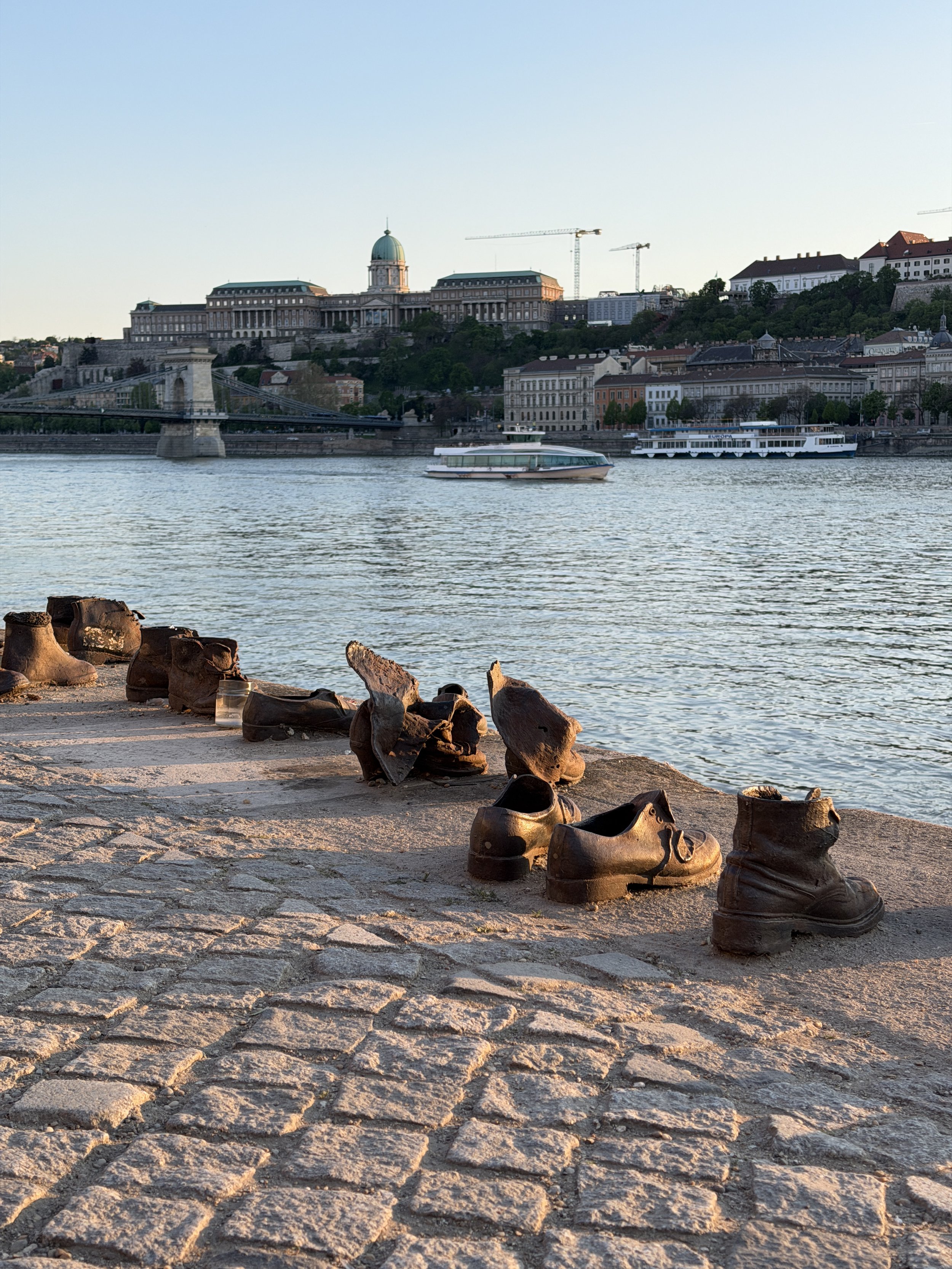
From there, walk the river promenade south toward the Shoes on the Danube Bank memorial — a small, quiet, and genuinely moving tribute that most rushed itineraries skip entirely. It takes five minutes and it's one of the places people tell me afterward stuck with them the most.
Midday: Heroes' Square and City Park
Take the metro (Line 1, the oldest metro line on the European continent, itself a piece of living history) up to Heroes' Square. It's grand, it's free, and it's a genuine center of Hungarian civic identity, not just a photo stop. Wander into City Park behind it — if it's warm, the lake and the Vajdahunyad Castle grounds are lovely; if it's winter, the City Park Ice Rink in front of the castle is one of the most romantic things you can do in this city.
Afternoon: Great Market Hall
Head back toward the center and into the Great Market Hall — go for the produce and spice stalls on the ground floor, not just the upstairs food court everyone photographs. This is where actual Budapest households buy paprika, pálinka, and fresh langos ingredients. Grab a langos (fried dough with sour cream and cheese, a Hungarian institution) while you're there.

If you want to taste the best bites of Hungary, book your private tour now. 🙂
Let's explore Budapest →Evening: Ruin Bars and Dinner in the Jewish Quarter
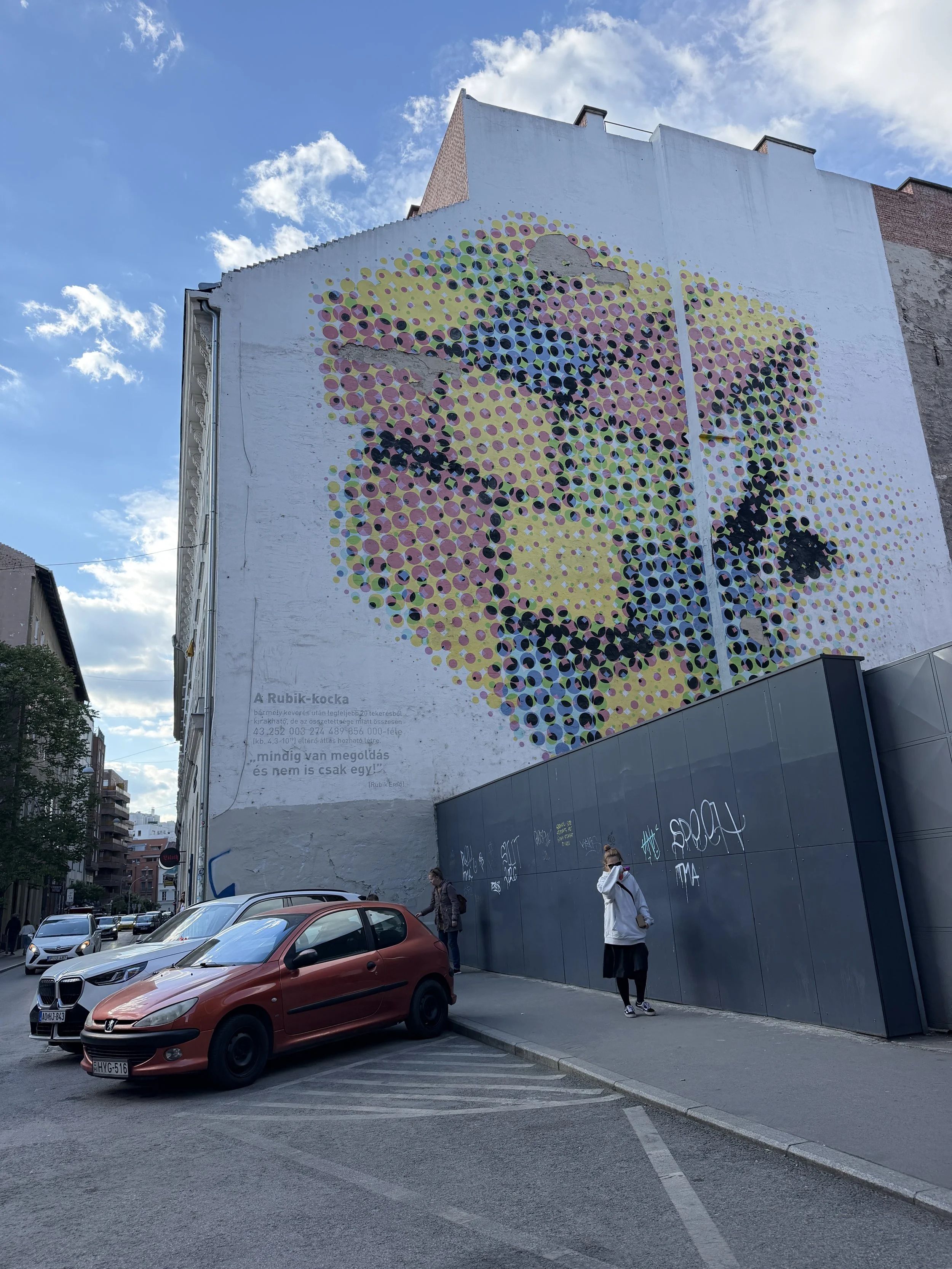
This is where Day 1 earns its "real vibe" credit. The Jewish Quarter (District VII) is where Budapest's ruin bar culture was born — bombed-out or abandoned buildings and courtyards turned into sprawling, mismatched, plant-filled bars. Szimpla Kert is the famous one and worth a visit, but if you have energy, wander to a second, quieter one nearby rather than staying put all night. Have dinner in the district beforehand — this neighborhood has some of the best modern Hungarian and Jewish-Hungarian food in the city.
Day 2: Buda — Castle Hill, Thermal Baths, and the View That Explains Everything
Morning: Buda Castle and the Fisherman's Bastion
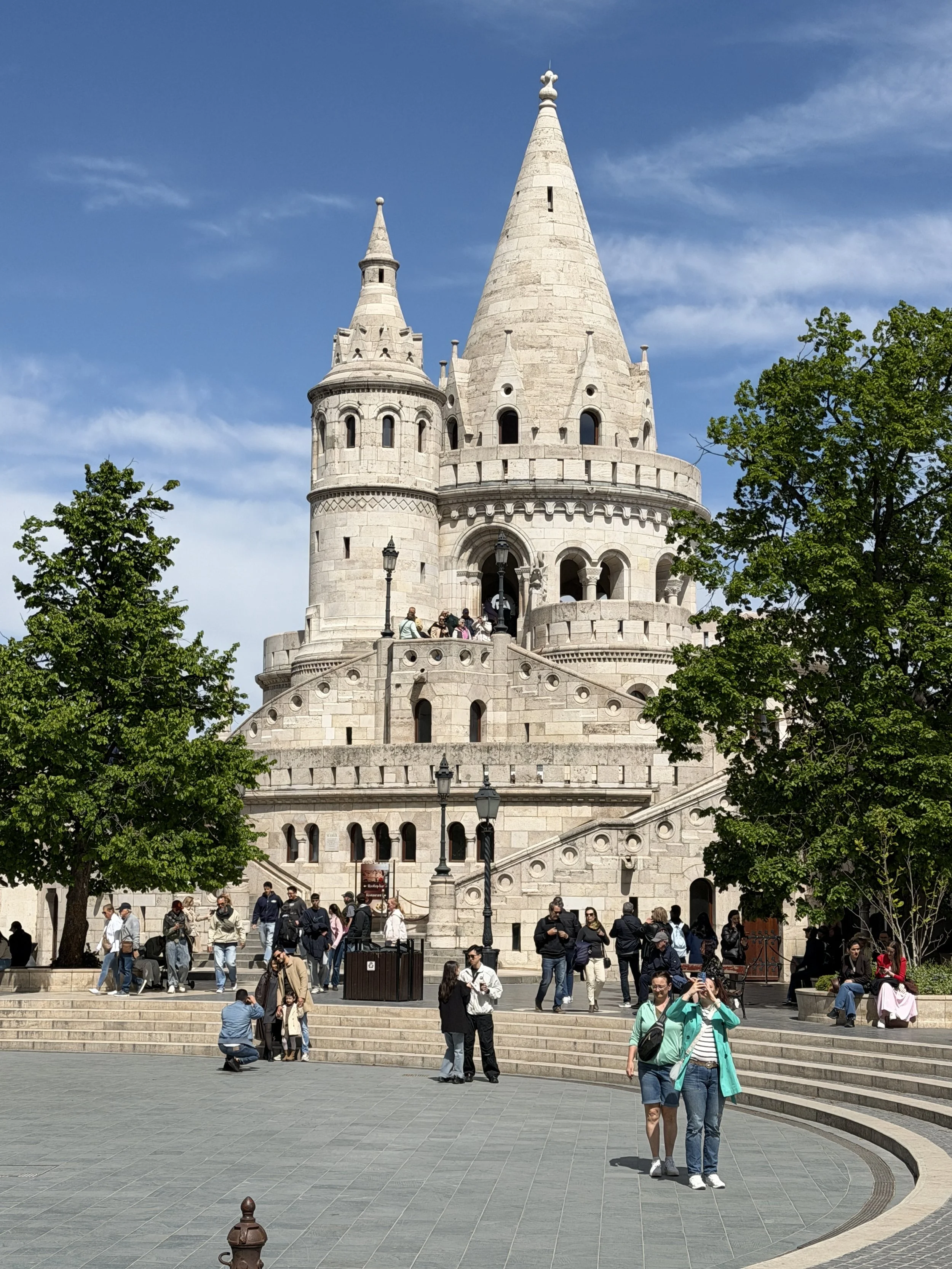
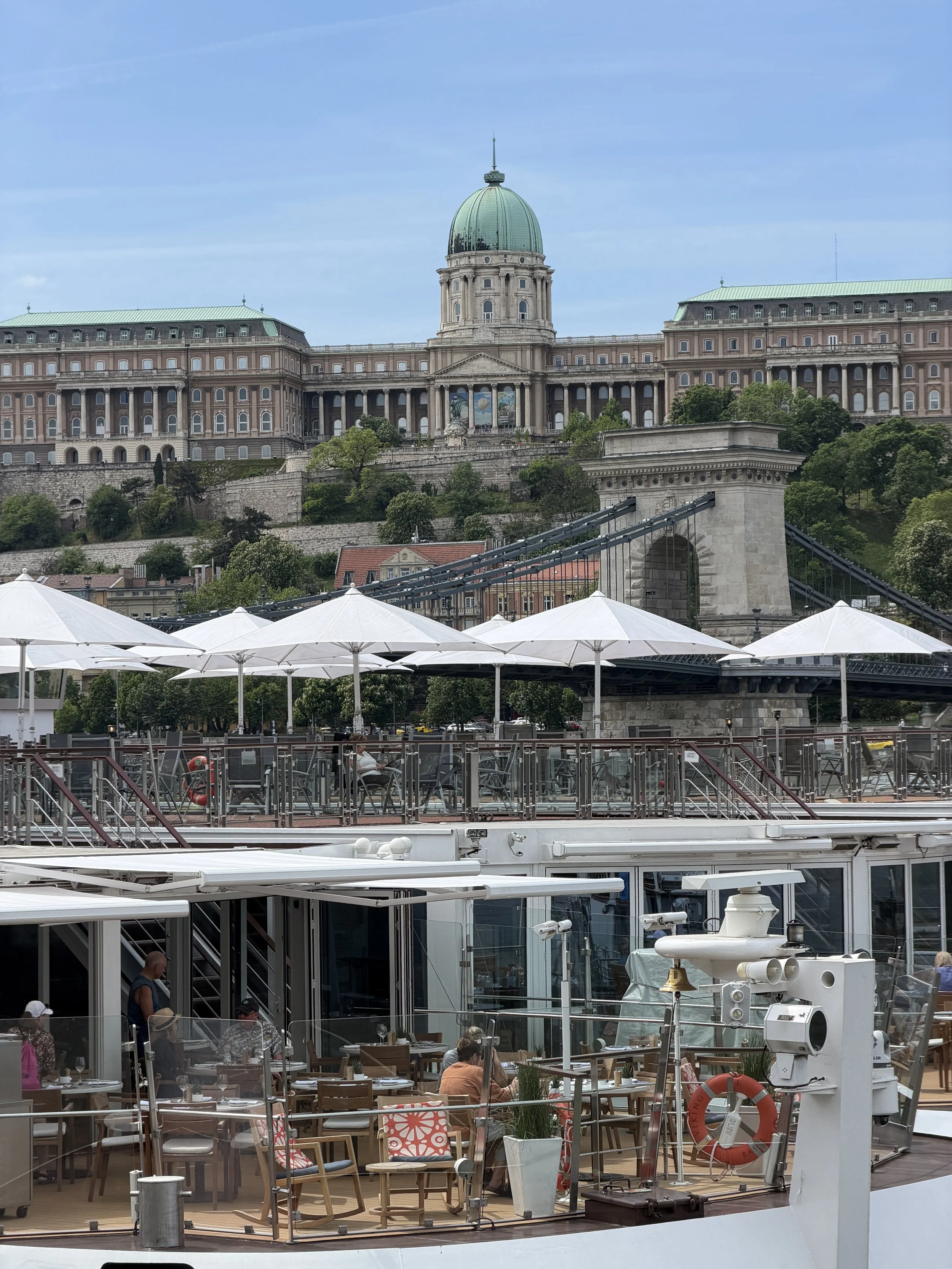
Cross to Buda and go up to Castle Hill early, before the day-trip crowds arrive by the busload around 10-11am. Matthias Church and the Fisherman's Bastion sit side by side, and the Bastion's terraces give you the single best panoramic view of Pest and the Parliament across the river — this is the photo everyone has in mind when they imagine Budapest.
Walk down through the Castle District's quiet residential streets rather than taking the funicular straight back down — this is where you'll feel Buda's slower, older character, away from the souvenir stalls.
Midday: The Citadella and Gellért Hill
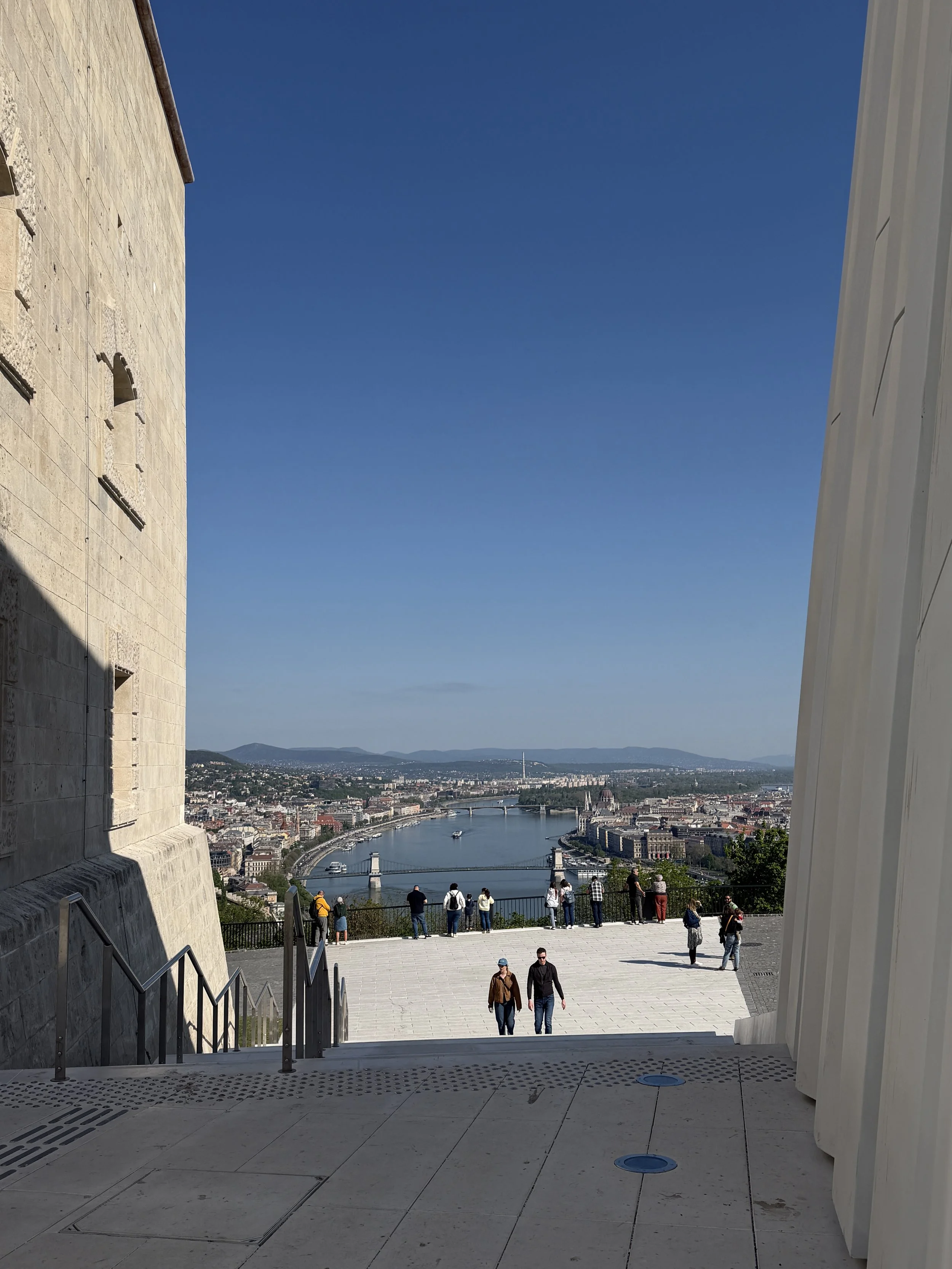
If your legs are willing, Gellért Hill and the Citadella are worth the climb for an even higher vantage point over the whole city — and it's noticeably less crowded than the Bastion. This is a good stop for a slower, quieter midday break with a view.
Afternoon: Thermal Baths — The Real Local Ritual
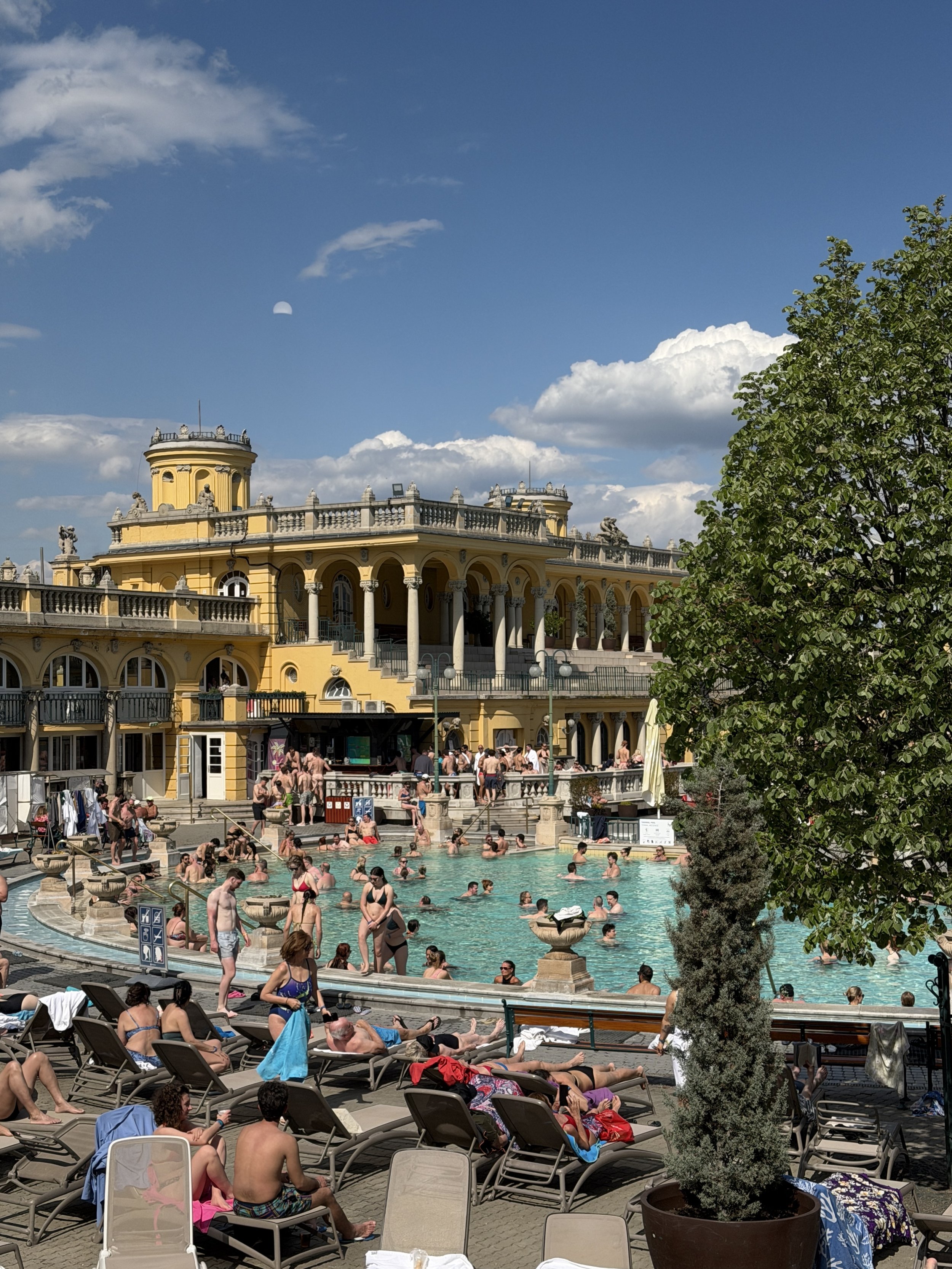
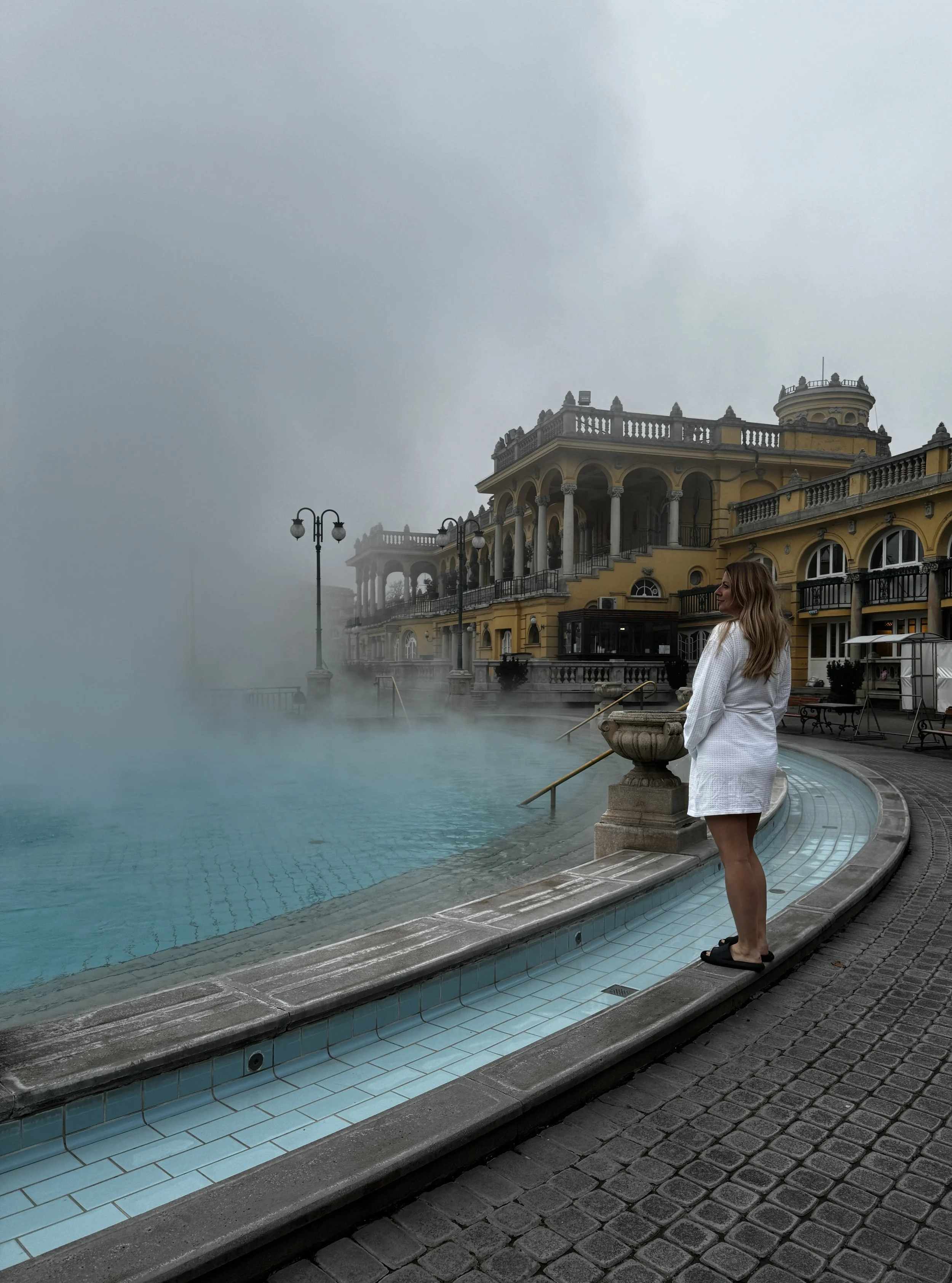
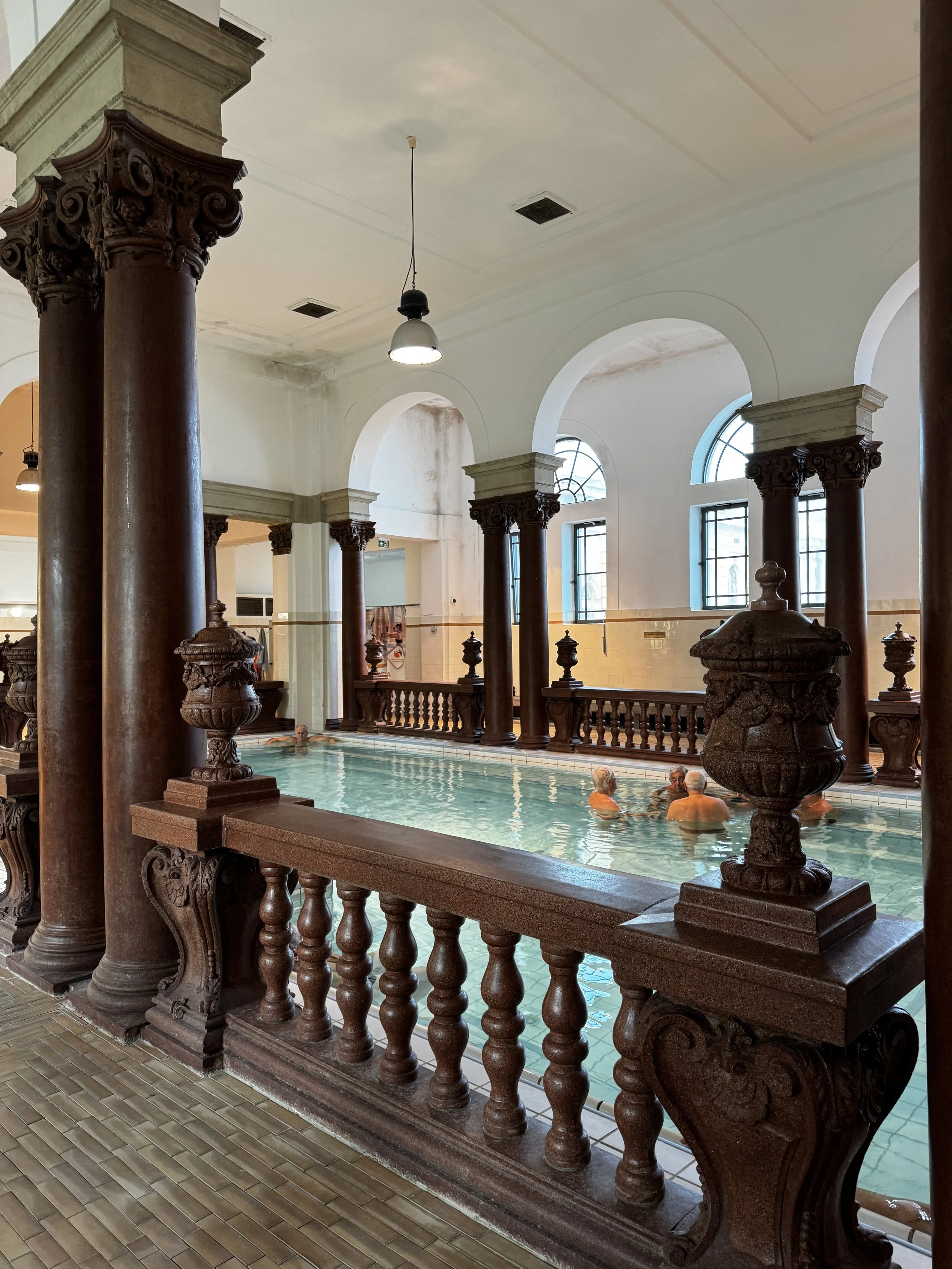
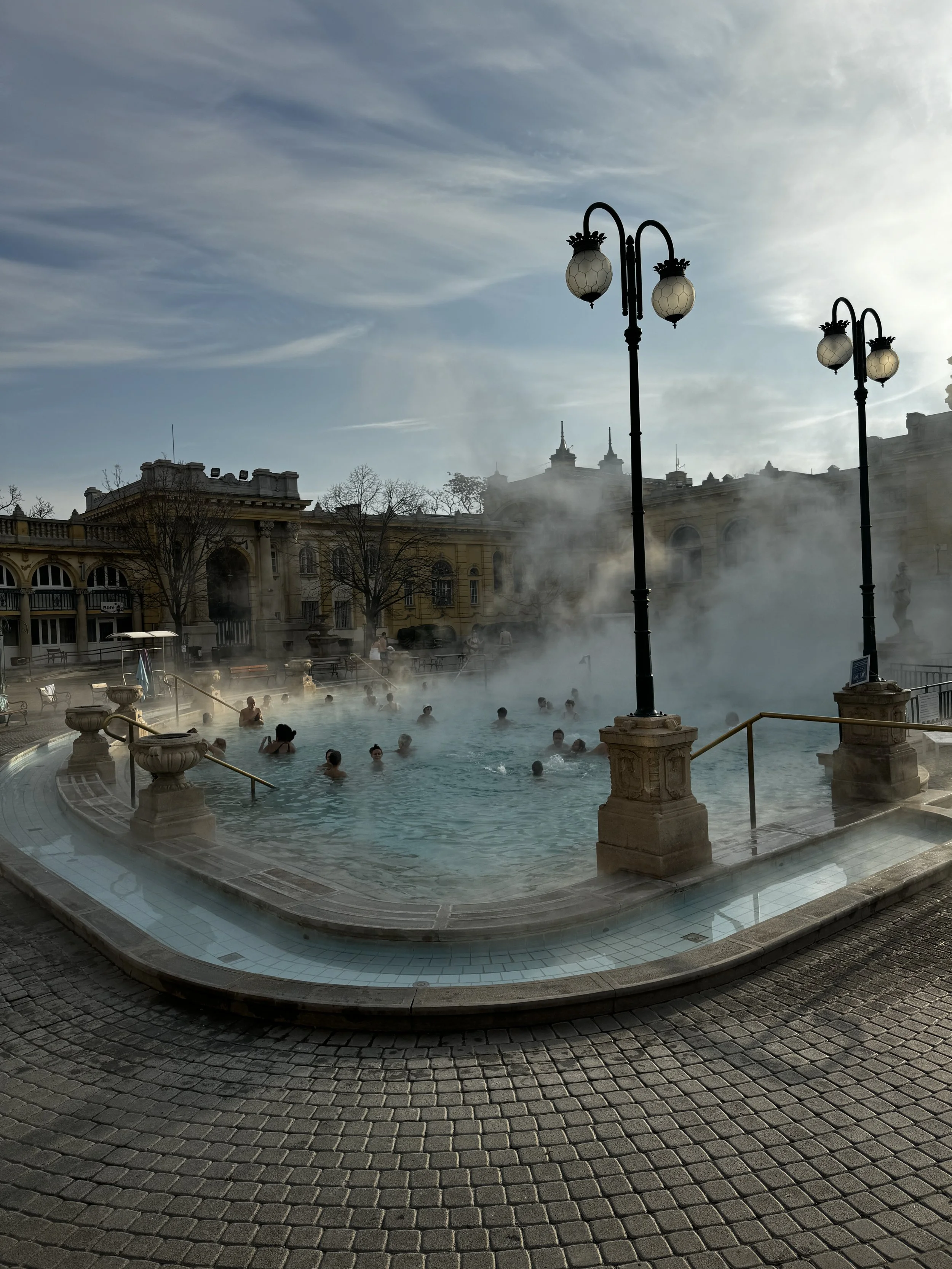
No 2-day Budapest itinerary captures the real vibe without a thermal bath. This isn't a tourist gimmick — Hungarians have been doing this for generations, and locals genuinely spend Sunday afternoons soaking and playing chess in the outdoor pools. Széchenyi Baths (bright yellow, grand, in City Park) is the classic choice; Rudas or Veli Bej Baths offer a more intimate, historic Ottoman-era atmosphere if you'd rather skip the crowds. Budget at least two unhurried hours here.
Evening: Dinner with a View, Then the Danube at Night
Have dinner somewhere on the Buda side or right along the river, and time it so you're outside — on a bridge, a rooftop, or a riverside terrace — right as the Parliament building and the castle light up at dusk. Budapest at night, reflected in the Danube, is a completely different city from Budapest by day, and it's the image most visitors carry home with them.
A Note on Pacing
If this itinerary reads as ambitious for two days, that's because it is — you're seeing both halves of a capital city with centuries of layered history. My honest advice: pick 80% of this and let the rest go. The version of your trip where you saw everything on a list but never stood still is worse than the version where you skipped the Citadella but had twenty unplanned minutes in a courtyard bar. I'd rather you leave Budapest wanting to come back than leave exhausted.
If you'd like someone to handle the pacing, the walking routes, and the "should we skip this for time" decisions for you, this is genuinely the itinerary I build for guests on a private 2-day Budapest tour — just tailored to your energy level and interests.
Frequently Asked Questions
Is 2 days enough time in Budapest? Yes, 2 days is enough to see Budapest's major landmarks on both sides of the Danube — Parliament, Castle Hill, a thermal bath, and at least one ruin bar — while still having time to slow down. You won't see everything, but you'll get a genuine feel for the city, which matters more than a checklist.
Should I stay in Buda or Pest? Stay in Pest. It's flatter, has more restaurants and nightlife within walking distance, and puts you closer to the metro system, which makes reaching Buda's sights for a day trip easy. Buda is better for a quiet morning visit than as a home base.
Do I need 2 or 3 days in Budapest? Two days covers the essentials well; three days lets you add a day trip (like the Danube Bend or Szentendre) or a second, more relaxed day exploring neighborhoods like the Jewish Quarter or the Buda Hills without rushing.
What should I not skip in Budapest, even with limited time? A thermal bath and a ruin bar are the two experiences that are genuinely unique to Budapest — you can see grand architecture in a lot of European capitals, but this combination of bathing culture and repurposed-ruin nightlife is distinctly Budapest.
Is Budapest walkable? Central Pest is very walkable. Getting to and around Buda is easier with the metro or a short taxi ride, especially up to Castle Hill, though the Castle District itself is best explored on foot once you're there.
More from the Blog:
Budapest Public Transport — A Complete Guide for Visitors
Is Budapest Safe to Visit? An Honest Answer from a Licensed Local Guide (2026)
Strauss Dinner Show Vienna: The Magical Night Every Budapest Visitor Should Add to Their Trip
