Citadella Budapest: Back & Better Than Ever
By Kata | katabudapest.com | Updated Oct 10, 2026
guided hundreds of visitors up Gellért Hill over the years. But after the Citadella finally reopened in spring 2026, I made the climb again — this time as a visitor, not a guide. I was genuinely floored.
For most of the past decade, the Citadella sat hidden behind scaffolding and construction fences, a ghostly outline above the city. We guides would gesture up towards it and say "it'll be open again soon" — year after year. Well. It's open. And the wait was absolutely worth it.
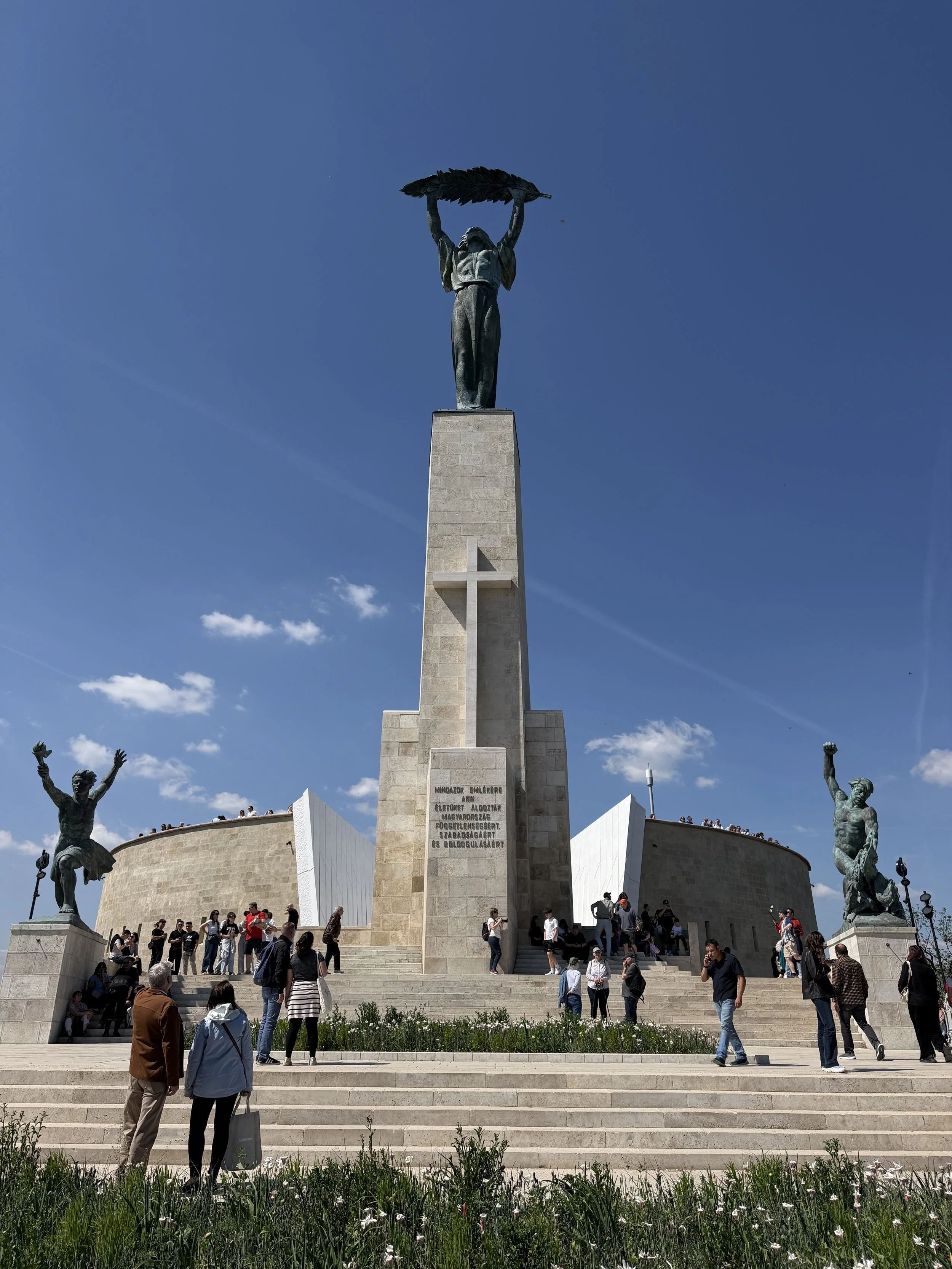
The Statue of Liberty on the Citadel
A bit of history you'll want to know
The Citadella was built between 1851 and 1854, and here's the dark irony that makes it so fascinating: it was constructed by the Habsburgs after crushing the Hungarian Revolution of 1848–49. The fortress's cannons weren't pointed outward to defend the city — they were pointed inward, towards the citizens of Budapest. It was a message carved in stone: we are watching you.
Designed by Emmanuel Zitta and Ferenc Kasselik, the fortress stretches about 220 metres along the hilltop, with walls up to 4 metres high. During World War II, German forces used it. During the 1956 Hungarian Revolution, Soviet troops occupied it. In 1987, the entire hilltop panorama was inscribed as a UNESCO World Heritage Site. Few places in Budapest carry so many layers of history in a single location.
During the renovations, archaeologists uncovered Celtic, Roman, and Turkish artefacts beneath the fortress. The site has been occupied — and contested — for over two thousand years. That's the kind of detail that makes standing on that hilltop feel genuinely profound.
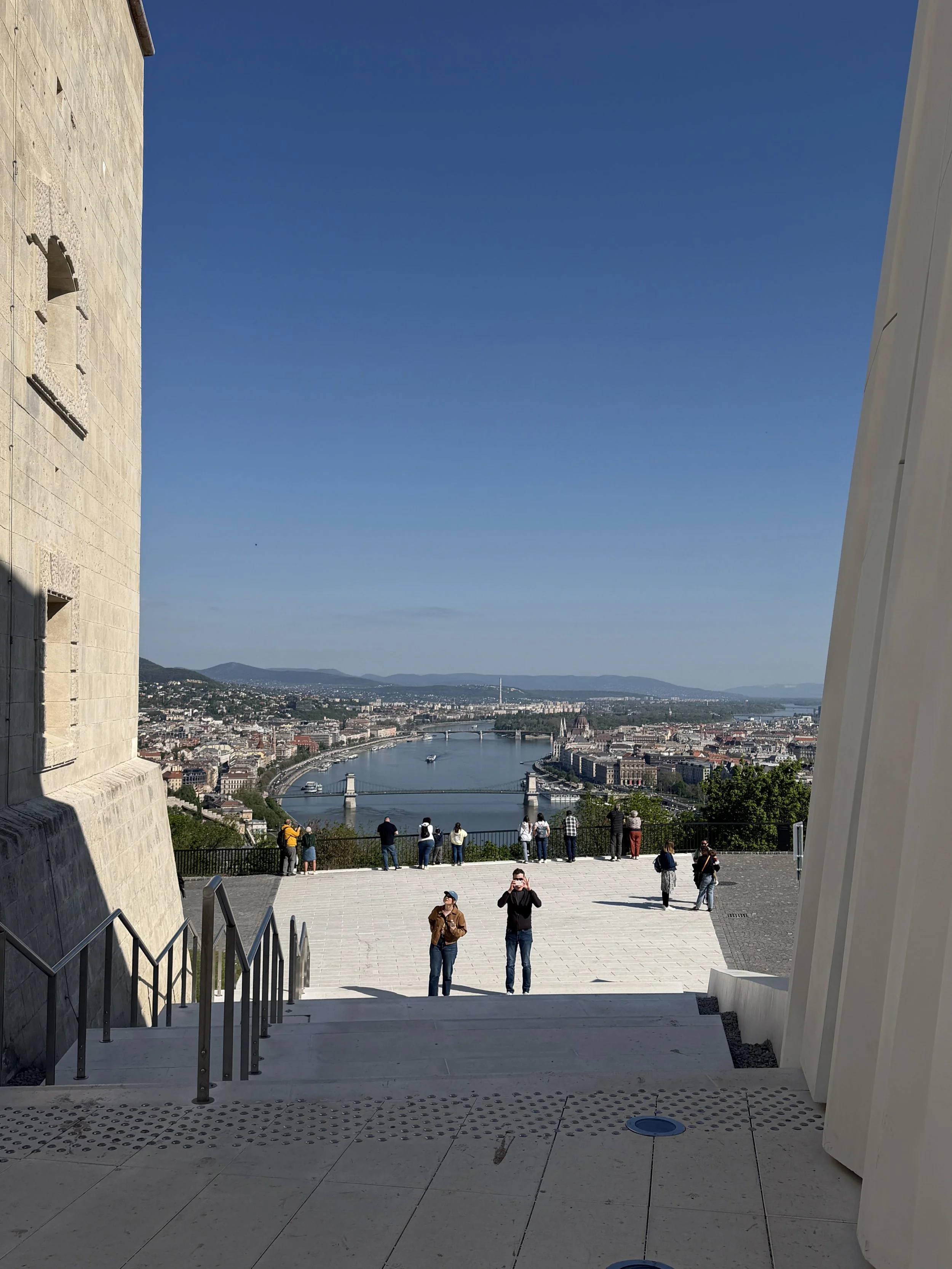
The entire hilltop panorama was inscribed as a UNESCO World Heritage Site
The walk up
I always recommend walking up rather than taking the bus — and not just because I'm a tour guide who loves a good story along the way. The walk from Szent Gellért tér takes about 20 minutes on well-paved paths and steps, and on the way up you'll pass the Cave Church, a chapel carved directly into the hillside that has its own remarkable history as a place of worship, refuge, and Soviet-era closure. It's worth slowing down for.
Wear comfortable shoes and bring water, especially in summer. The path is steep in places but manageable. The new eastern staircase also connects directly from the Liberty Statue area back down towards the river, so you can do a nice loop rather than retracing your steps.
Good news for families and those with mobility needs — the renovated paths are stroller and wheelchair accessible throughout.

What the renovation has created
The transformation is remarkable. What was once a closed, military-feeling enclosure has been opened up in every sense. The old single entrance is gone — now you can enter from three directions. Parts of the walls themselves have been opened to create new passageways and viewpoints.
Inside, there's a striking new museum — the Bastion of Liberty exhibition — housed within a contemporary glass structure built inside the ancient stone walls. A glass pedestrian bridge runs through part of the space. There's an artificial water surface in the courtyard and a perpetual flame. The whole atmosphere is contemplative, almost spiritual.
What truly impressed me was the audio experience: smart headphones that automatically play the right content as you move through the space. For international visitors especially, it's seamless and genuinely engaging. I watched a group of tourists go completely quiet in there — which, if you've ever guided tourists, you'll know is quite an achievement.
The rooftop terrace is the highlight. Standing up there looking over the Danube, the Chain Bridge, Parliament, the Castle District — it never gets old. I've seen it hundreds of times and it still stops me in my tracks.
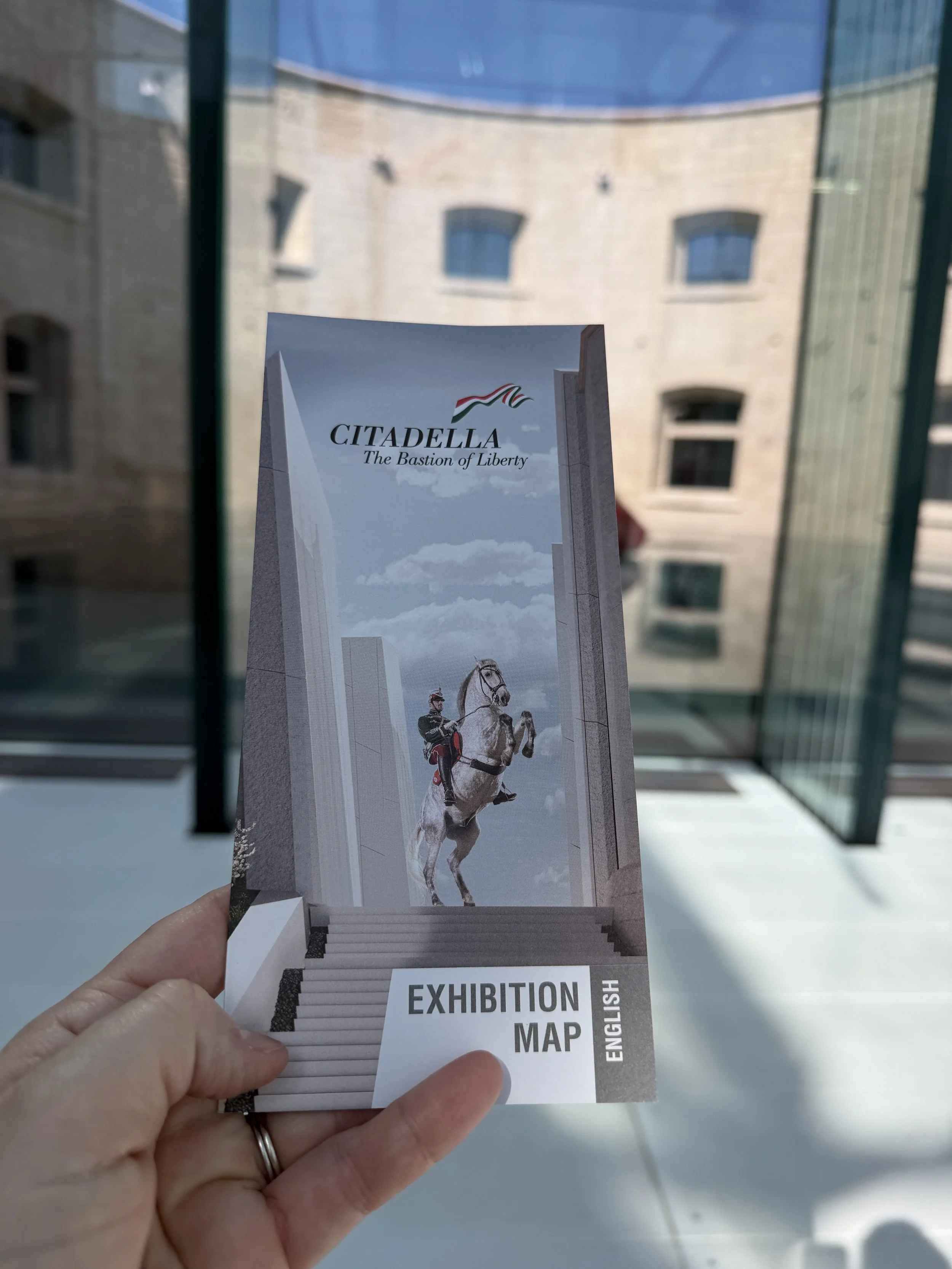
Welcome to the Citadella - The Bastion of Liberty
Inside the Bastion of Liberty Exhibition
What surprised me most about the exhibition was how personal it feels. This isn't a dry history lesson — it's an immersive, visually striking experience that takes you through Hungary's thousand-year struggle for freedom, and it does so in a way that genuinely moves you.
One thing that stood out was the emphasis on women. The exhibition deliberately shines a light on the women of different eras who are so often left out of the history books — those who cared for the wounded, carried messages, offered refuge, or took up arms themselves. It's a powerful reminder that the fight for freedom was never just fought by the names we know. It was held together by everyday courage, in homes and communities, generation after generation.
The overall experience is both visually engaging and quietly thought-provoking. Through the history and symbolism of Gellért Hill, you come away with a real sense of what independence meant — and still means — to Hungary. The message that stays with you is a simple but profound one: the defence of freedom has always been a shared responsibility.
Is it worth the 4,900 HUF ticket? In my opinion, yes — especially if you have any interest in Hungarian history. Budget around 2-2,5 hours for the exhibition itself, then make your way up to the Roof Garden 360 for the panorama. That combination alone makes the ticket worthwhile.
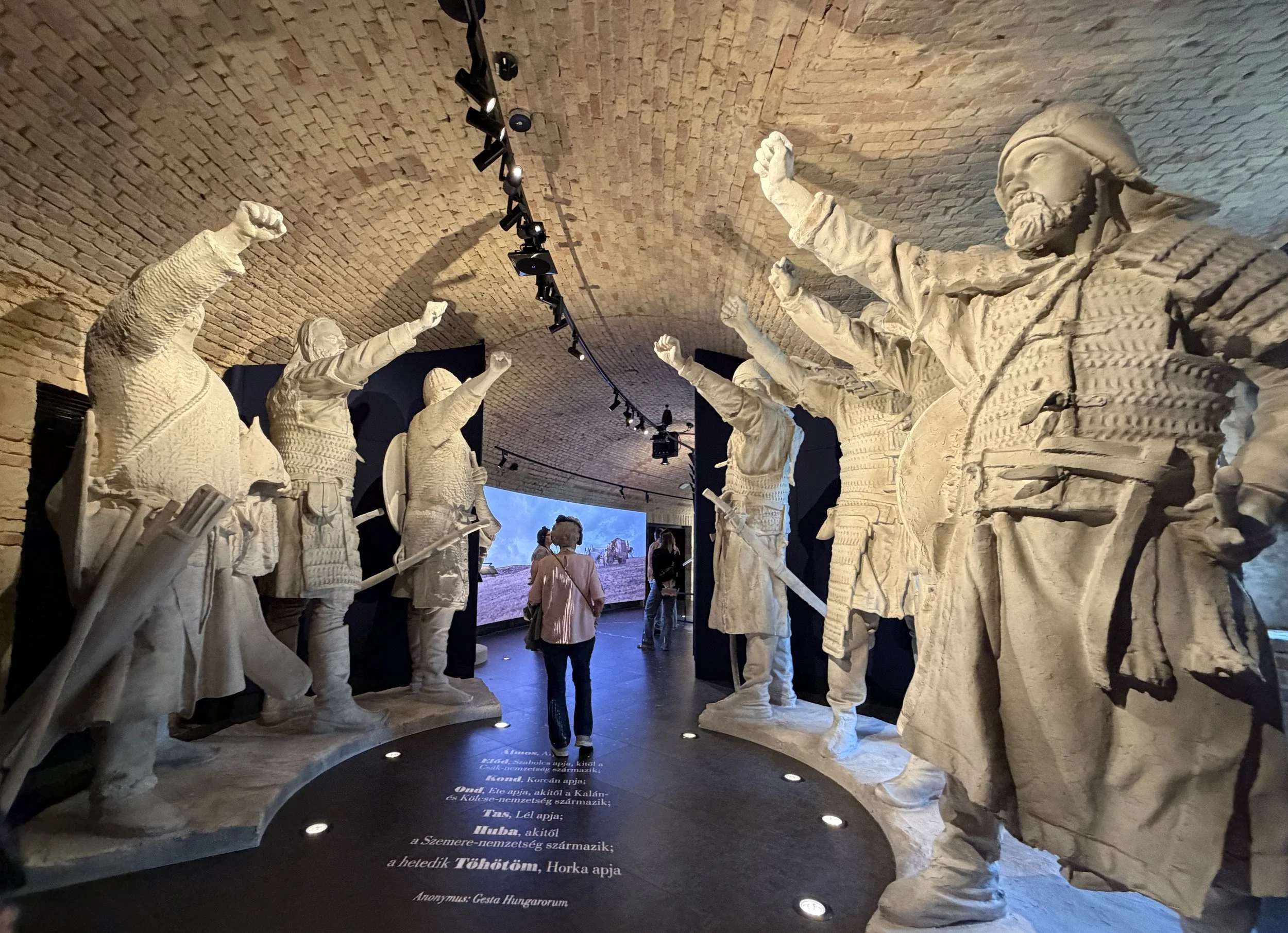
The Seven Chieftains of the Magyars were the leaders of the seven tribes that formed a confederation and occupied the Carpathian Basin around 895–900 AD
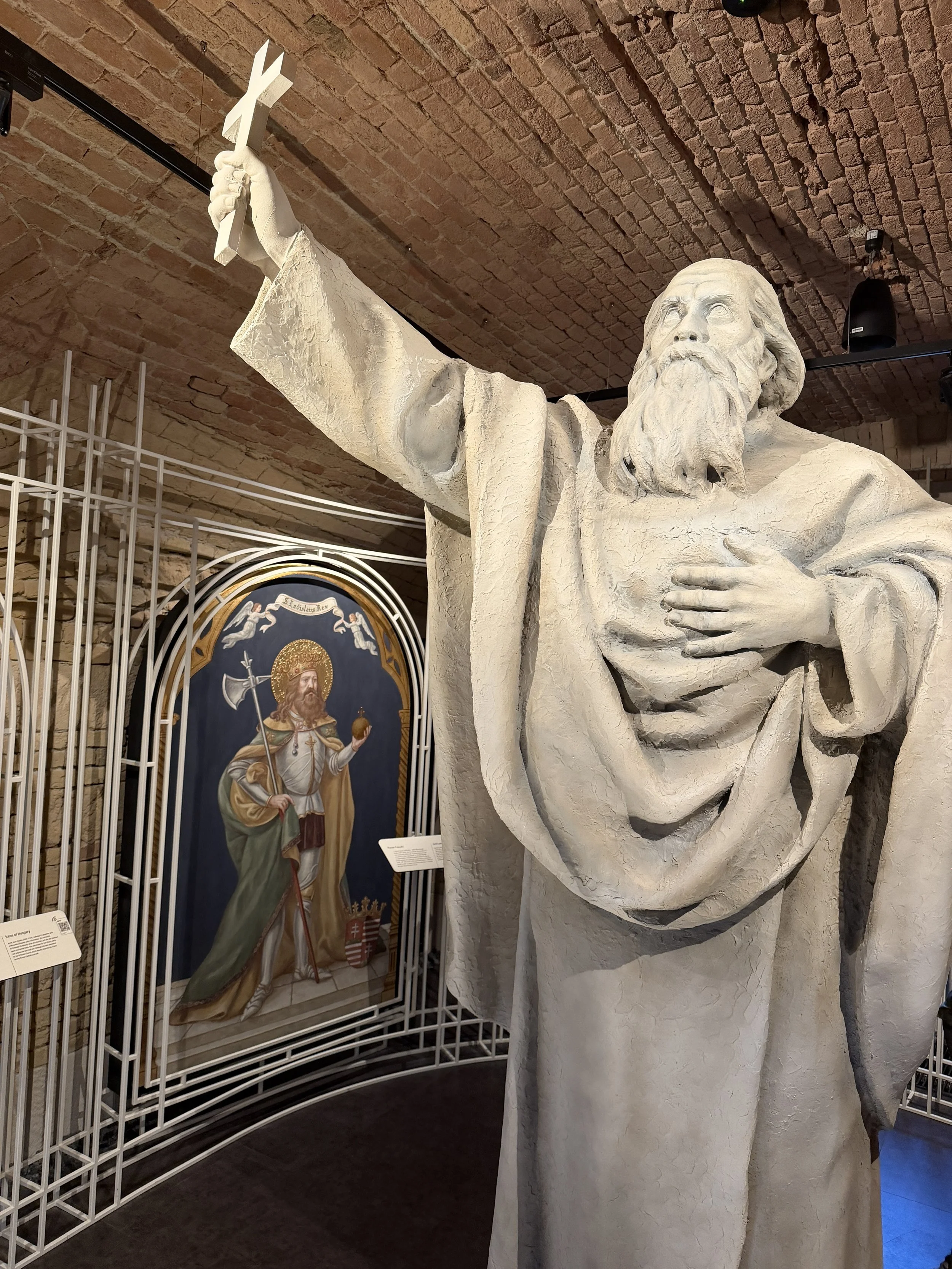
The statue of Bishop Gellért
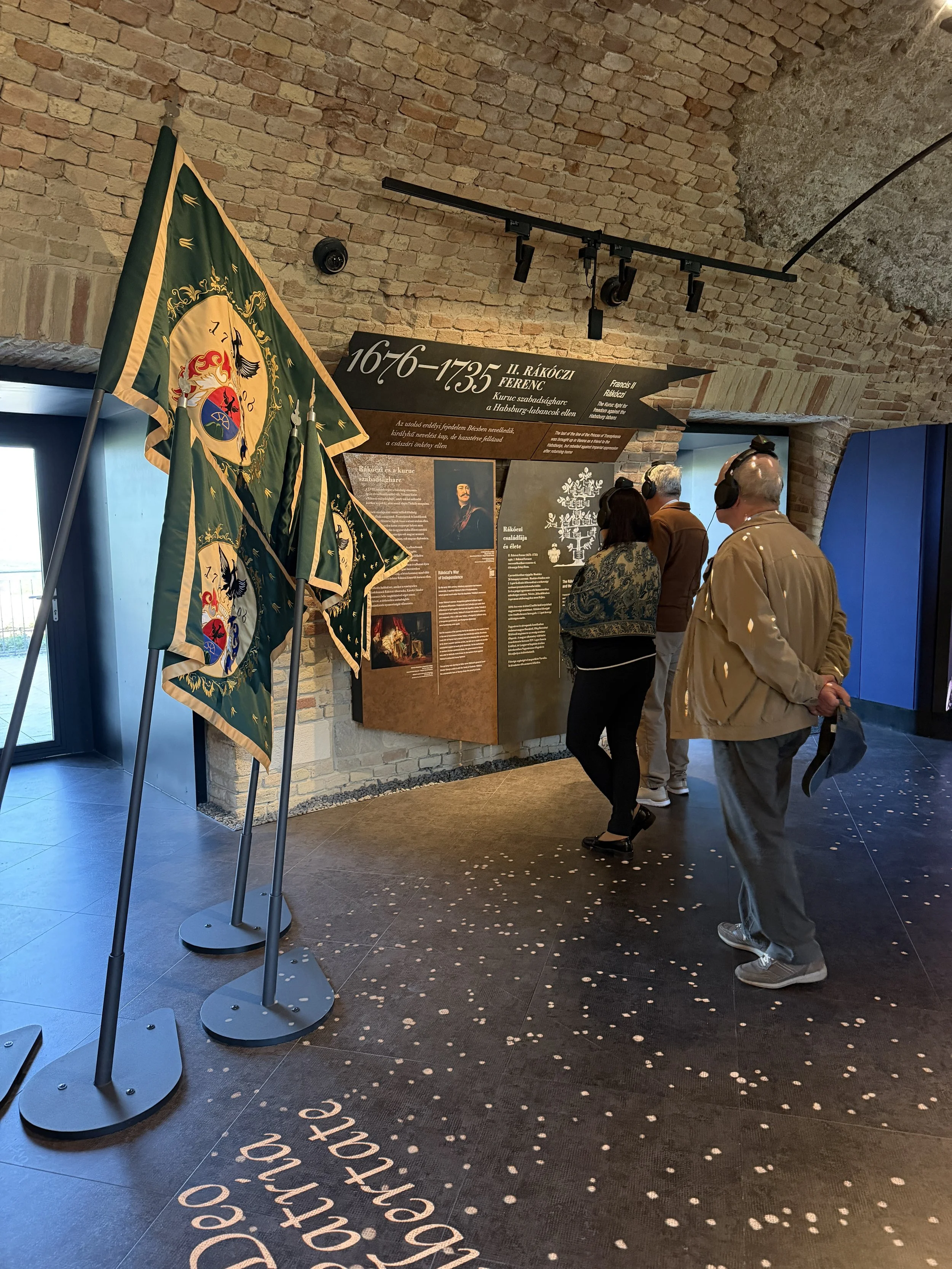
Smart headphones that automatically play the right content as you move through the space
The green spaces
The grounds have been completely transformed. The total green area around the Citadella has expanded to 20,000 m², with a 6,000 m² eco-friendly park featuring walking paths, rare plant species, and plenty of places to sit and simply take in the city below. Budapest's largest national flag now flies from the hilltop — visible from almost everywhere in the city.
There's also a new staircase on the eastern side connecting directly to the Liberty Statue area. The Liberty Statue (Szabadság-szobor), the female figure holding a palm leaf, is one of the most recognisable sights in all of Budapest — visible from almost every point in the city. You'll pass right by her on the way.
The café
There's a lovely café right inside the Citadella walls, and honestly it deserves its own mention. After the climb and the exhibition, sitting down with a coffee and looking out over Budapest is one of those simple pleasures that stays with you. The terrace view is spectacular — you're essentially having coffee on top of the city. There's also a chimney cake store and a souvenir shop on site, so no need to rush back down if you want to linger.
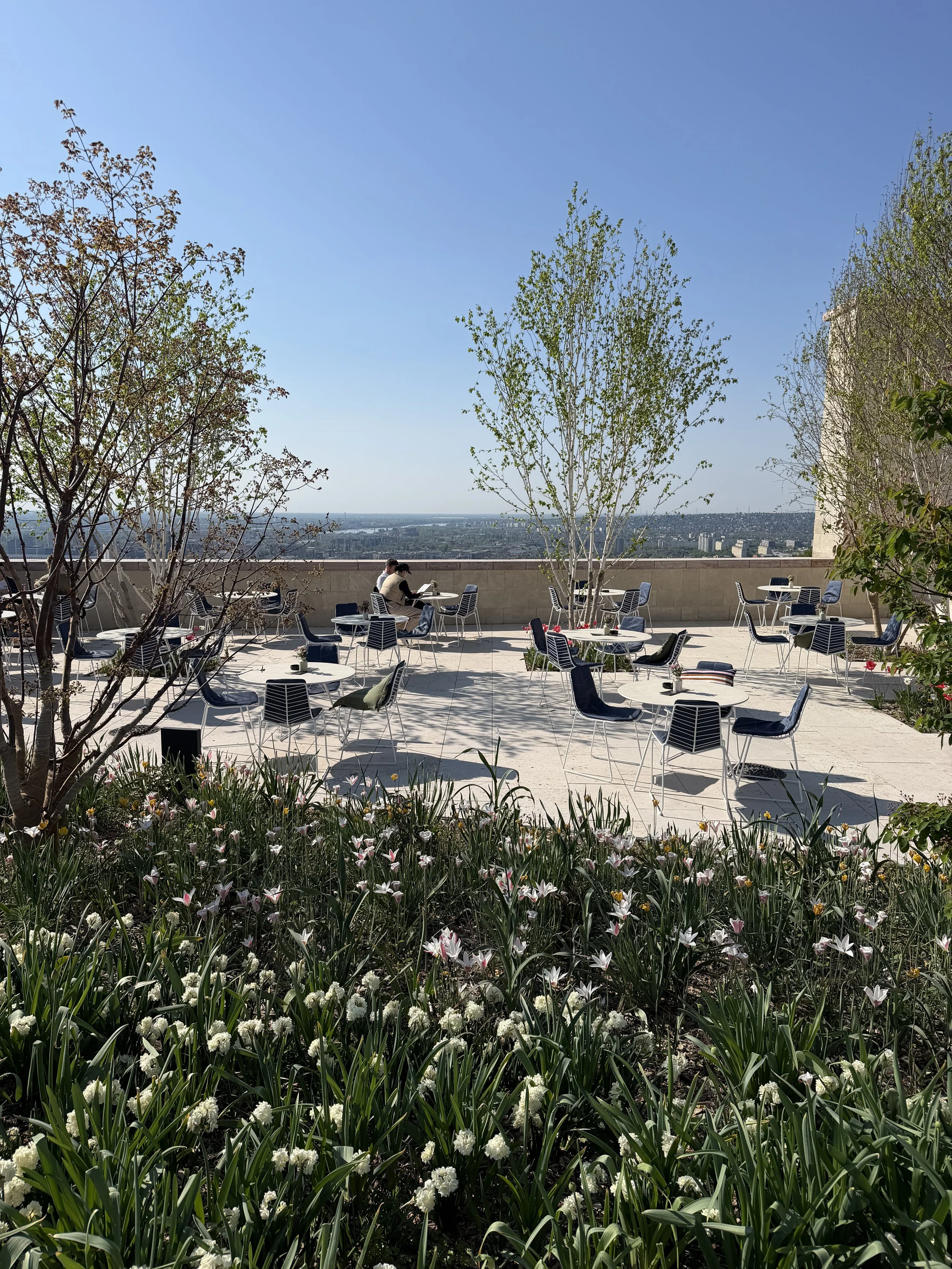
Café with amazing views on the Citadella
Practical info for your visit
Entrance: free — the hilltop park, viewpoints, panoramic promenade, and Liberty Statue are all free to visit
Exhibition: the Bastion of Liberty museum is ticketed
Getting there: BKK Bus 27, or hike up from Szent Gellért tér or Elizabeth Bridge (about 20 minutes on paved paths)
Best time to visit: late afternoon into sunset — the city lights up beautifully
On-site: café, chimney cake store and souvenir shop are all now open
The audio guide headphones inside the museum adapt automatically as you move through the space — great for international visitors
Tickets
If you want to go inside the Bastion of Liberty exhibition — including the Roof Garden 360 and the Round Bastion Terrace — you'll need a ticket.
Ticket prices:
Adult: 4,900 HUF
Student / youth (6–26): 2,450 HUF
Senior (62–70): 2,450 HUF
Family (1–2 adults + 2 children): 7,350–9,800 HUF
Free: children under 6, visitors aged 70+, and visitors with disabilities (plus one companion)
Tickets can be bought online in advance (recommended — visitor numbers are limited) or on the door subject to availability.
Book in advance at citadella.hu
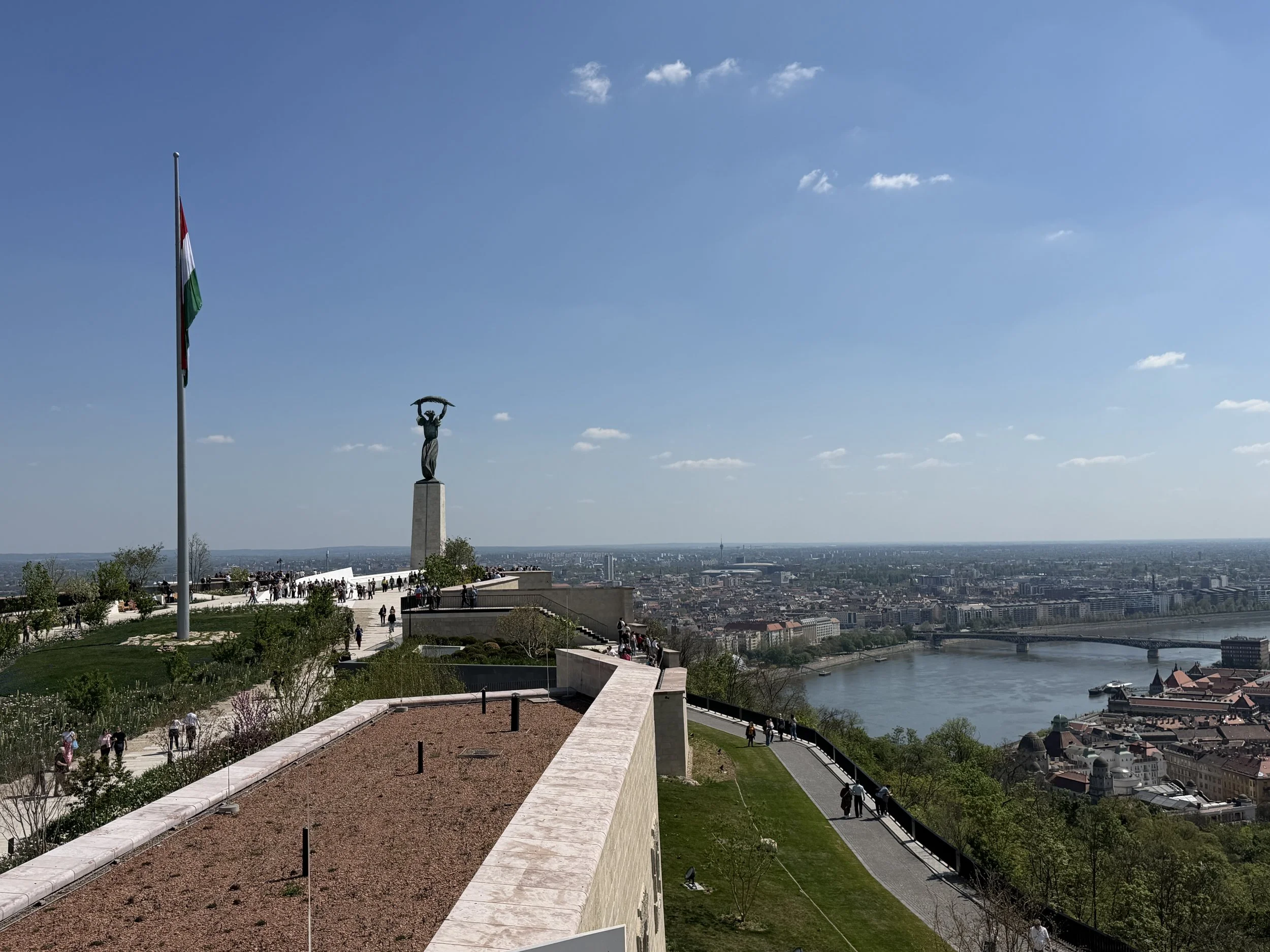
The view from the top
My honest verdict
The Citadella has always been a must-see on any Budapest itinerary — purely for the views and the history. Now, with the renovation complete, it's genuinely one of the most impressive attractions in the city. The museum alone is worth the trip, and the rooftop terrace combined with the expanded green spaces makes this somewhere you'll want to spend real time, not just a quick photo stop.
If you're visiting Budapest and only do one hilltop walk, make it this one. Wear comfortable shoes, go in the late afternoon, and stay for the sunset.
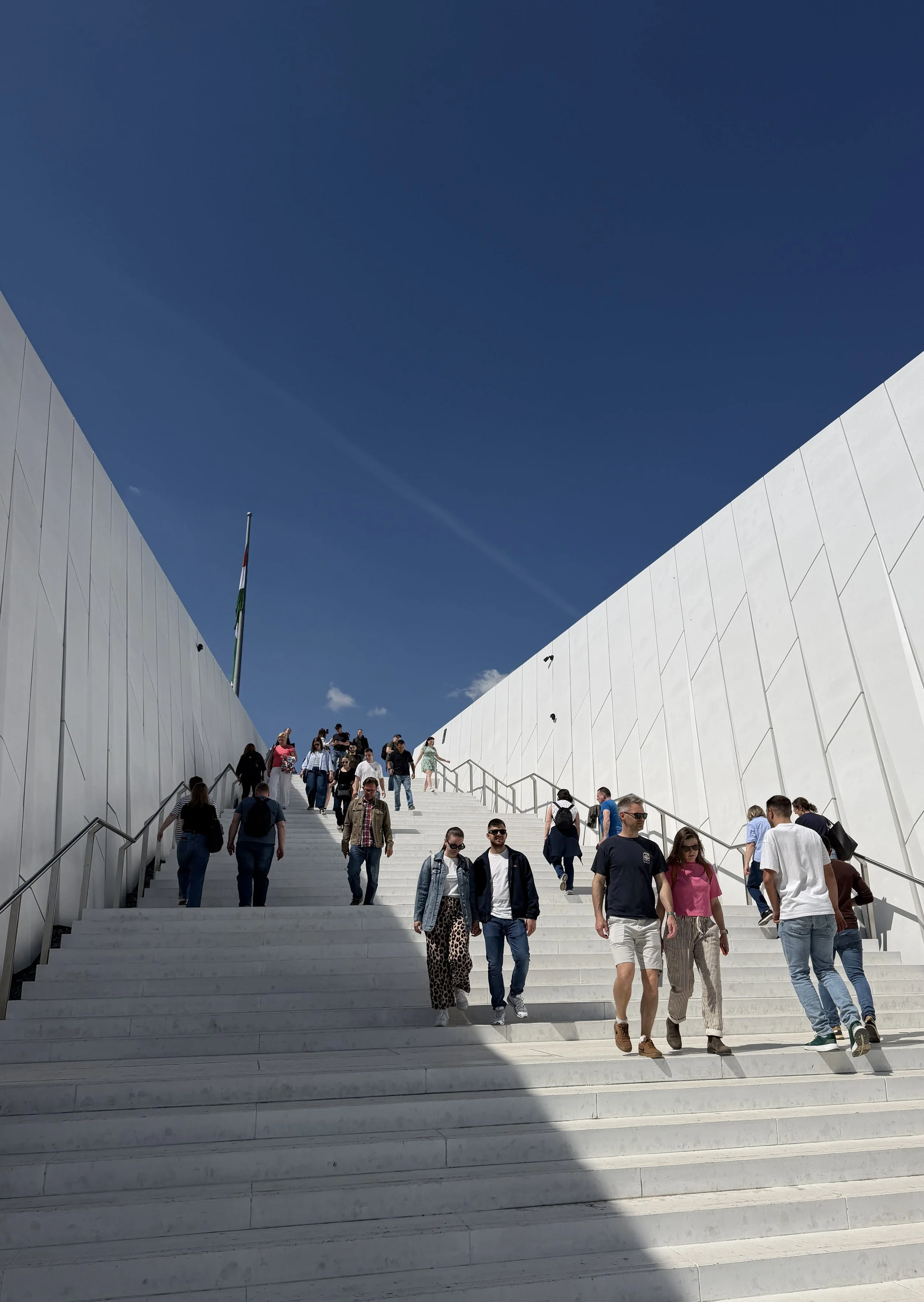
Rush hour on the Citadella
Planning a trip to Budapest? I'd love to show you the city — including the stories behind places like this that you won't find in any guidebook. Explore tours at katabudapest.com!
Enjoyed this one? A few more from the blog you'll probably want to read next:
Best Goulash in Budapest: Where Locals Actually Eat It
Entering Hungary as a Non-EU Citizen in 2026: What You Actually Need to Know
20 Unique Things to Buy in Hungary That Locals Actually Love (Not Fridge Magnets)
15 Must-Do Things in Budapest (From a Local Tour Guide Who's Shown Thousands of Visitors Around)
