Entering Hungary as a Non-EU Citizen in 2026: What You Actually Need to Know
By Kata | katabudapest.com | Published Aug 21, 2026
Accurate as of August 2026 — border rules like these change fast, so I'll keep this updated as new countries join the system.
I get asked about this almost every week by guests booking a tour with me — usually a few days before they fly, once the nerves kick in. So let's clear it up properly.
If you're not an EU citizen and you're heading to Budapest in 2026, the most important thing to understand is this: Hungary is part of the Schengen Area. That means entering Hungary usually isn't really about Hungary at all — it's about your entry into the whole Schengen zone. Where that happens depends on your flight route, not your final destination.
Here's everything you need, based on the current 2026 rules.
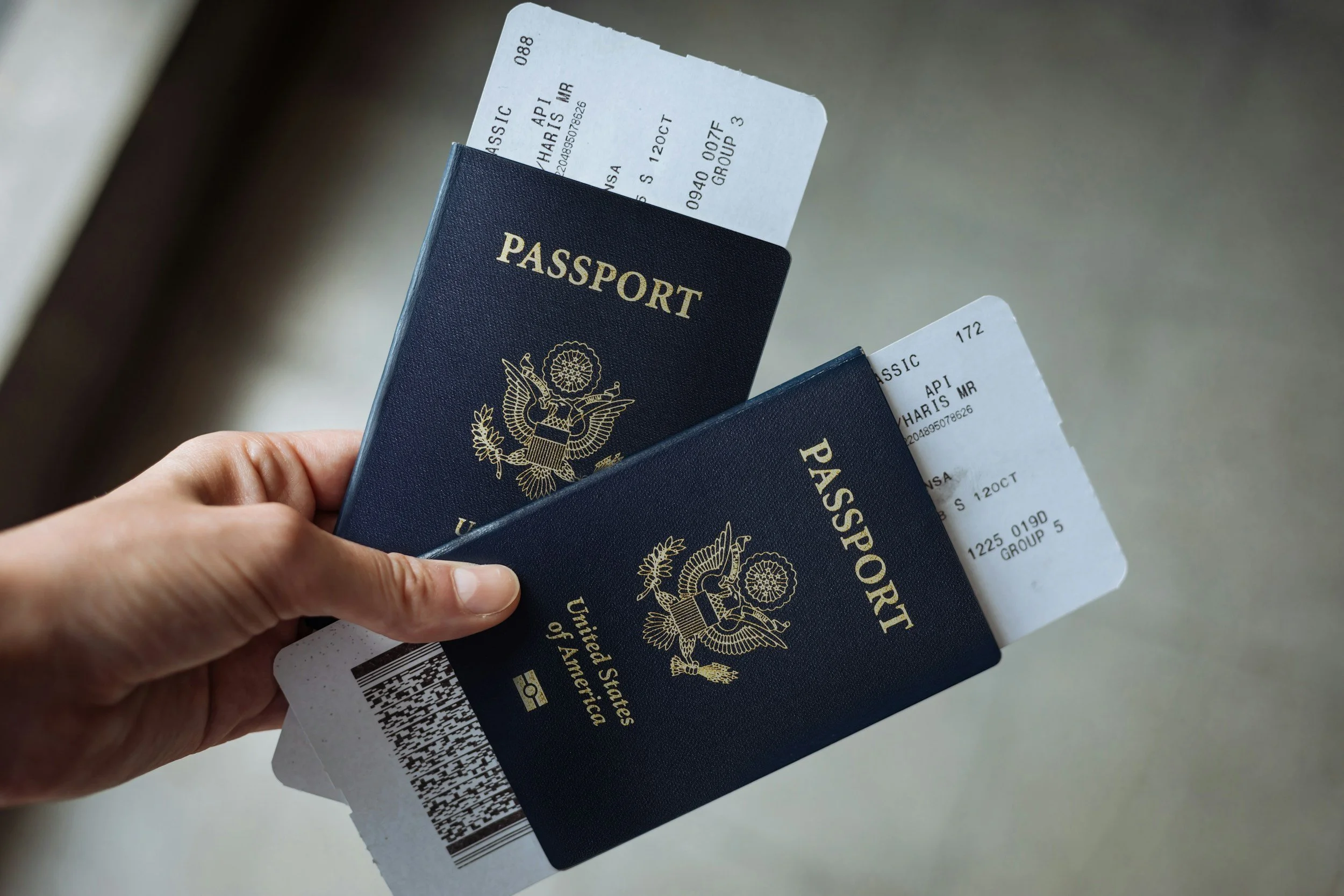
Passports ready — first stop in the Schengen Area
The one concept that clears up all the confusion
For a non-EU traveler, the real question isn't "how do I enter Hungary" — it's "where do I make my first entry into Schengen."
A few examples make this click:
Fly New York → Budapest direct? Budapest is your external Schengen border. You'll go through full passport control here.
Fly New York → Paris → Budapest? Paris is where you enter Schengen. Your Paris–Budapest leg is treated as an internal flight, so you typically won't face a second passport check landing in Budapest.
Cross into Hungary overland from Serbia? Hungary is your external border, and you'll go through border control there.
So before anything else, look at your itinerary and figure out which country you touch down in first within the Schengen zone. That's where your main entry check happens.
Do you need a visa?
It depends entirely on your passport.
Visa-exempt nationals — including travelers from the US, Canada, UK, Australia, New Zealand, Japan, South Korea, and several other countries — can generally visit for up to 90 days within any 180-day period without applying for a visa in advance.
Visa-required nationals need an appropriate Schengen visa before traveling, also generally valid for stays up to 90 days in 180.
One thing worth repeating: being visa-exempt (or holding a visa) doesn't guarantee entry. Border officers still confirm you meet the entry conditions on the day you arrive.

Landing in Budapest and want a local expert by your side? I'm happy to help you plan your trip or show you around on a private tour.
Let's explore Budapest →The big 2026 change: the EES system
This is the part that's new, and the part most travelers haven't heard about yet.
The EU's Entry/Exit System (EES) became fully operational on April 10, 2026, after a phased rollout that began in October 2025. It's now active at every external Schengen border crossing, including Budapest Airport.
What this actually means for you:
Instead of a passport stamp, your entry and exit are now recorded digitally.
On your first crossing under the system, border staff may need to scan your fingerprints and take a facial photo to create your file. This can add a few extra minutes.
On later crossings, your biometric data is already stored, so the check is usually faster — the officer verifies rather than creates a new record.
The 90-in-180-day rule is now tracked automatically across the whole Schengen Area, not per country.
Practical takeaway: budget a little extra time at passport control on your first Schengen entry of the trip, especially at busier hours. It's not a Budapest-specific delay — it's happening at every external Schengen border right now.
Is there an app that speeds this up?
Sort of — but not for Budapest yet.
The EU has been rolling out a companion app called "Travel to Europe," built by Frontex, that lets you pre-register some of your entry information before you land, shortening your wait at the border. As of now, though, it's only available for travelers entering through Sweden and Portugal — and even there, the two countries support different features (Sweden handles fuller pre-registration including facial data; Portugal currently offers the entry questionnaire only, mainly at Lisbon Airport).
If you're flying into Budapest directly, or connecting through a country other than those two, the app won't apply to your entry yet. More countries are expected to join over time, but there's no confirmed timeline for Hungary. As of today, Aug 21, 2026, that's the full list — I'll update this the moment that changes. For now, just plan on the standard in-person check described above.
What about ETIAS?
Here's where a lot of outdated blog posts get it wrong. As of August 2026, ETIAS is not yet in operation. It's still expected to launch in the final quarter of 2026, but no exact date has been confirmed by the EU.
Two quick things to remember:
EES (already live) records your entry and exit at the border.
ETIAS (not yet live) will eventually be a pre-travel authorization for visa-exempt travelers, similar to the US ESTA.
They're not the same thing, and you don't need to do anything about ETIAS yet. If a website is asking you to pay for an ETIAS application right now, it's not official — don't use it.
Passport rules to double-check before you pack
Two quiet requirements catch people out more than anything else:
Your passport should have been issued within the last 10 years.
It needs to remain valid for at least 3 months after your planned departure from the Schengen Area.
If your passport is close to either limit, check it now — not at check-in.
What to actually bring with you
You don't need a folder of paperwork, but it's smart to have these easily accessible (not buried in checked luggage):
Passport, meeting the requirements above
Visa or residence permit, if applicable to your nationality
Proof of accommodation — hotel confirmation, or details of who you're staying with
Your itinerary and return or onward ticket
Some evidence you can cover your stay — a bank card is usually enough
What border officers actually check
It's not just "is this passport real." A border officer can ask about your purpose of travel, where you're staying, how long you're staying, and how you're funding the trip. Keep your answers simple and honest:
"I'm visiting Budapest for a week of tourism, staying at [hotel], flying home on [date]."
That's genuinely all most travelers need to say.
Quick answers to what people ask me most
Do I need to do anything before my trip because of EES? No — there's no pre-registration. It happens automatically at the border on arrival.
Will my passport get stamped in Budapest? For travelers covered by EES, no — stamps are being phased out in favor of the digital record.
I'm connecting through another EU country — where do I actually get checked? Wherever you first pass through Schengen immigration, which may not be Hungary at all. Check whether your layover requires you to exit the secure transit area.
Does 90 days mean 90 days in Hungary specifically? No — it's 90 days total across the entire Schengen Area, combining every country you visit.
Is ETIAS required for my August 2026 trip? No. It hasn't launched yet.
Rules like these are exactly the kind of thing I help my guests navigate before they even land — right down to what to say at passport control if they're nervous. If you'd like a local's help planning the rest of your Budapest trip, here's where to find me.
Enjoyed this one? A few more from the blog you'll probably want to read next:
Budapest Public Transport — A Complete Guide for Visitors
Budapest Airport to Your Hotel: Every Option, Honestly Compared (2026 Prices)
