20 Unique Things to Buy in Hungary That Locals Actually Love (Not Fridge Magnets)
By Kata | katabudapest.com | Published Aug 25, 2026
If you ask me what to bring home from Budapest, my honest answer is: skip the "I ❤️ Budapest" t-shirt. Everyone's already heard that pálinka, red paprika powder, Tokaj dessert wine, and Eger's Bull's Blood (Egri Bikavér) are the must-buy Hungarian souvenirs — and they're not wrong, they're genuinely great picks. But after more than a decade of guiding visitors through this city — and just as many years shopping these same shelves myself — I've got a longer list of Hungarian products that go beyond the obvious ones: things that are genuinely useful, genuinely delicious, or genuinely nowhere else in the world.
Here's my real, local's guide to the best things to buy in Hungary — the well-known favorites and a handful of lesser-known picks most tourists never hear about — why they're worth your suitcase space, and how we actually use them at home.
If you'd rather have a local walk you through where to find all of this in person — plus everything else Budapest has to offer — get in touch about a private tour and I'll build a day around what you actually want to see and taste.
Let's explore Budapest →Sweet & Savory Food Souvenirs
1. Szamos Marzipan
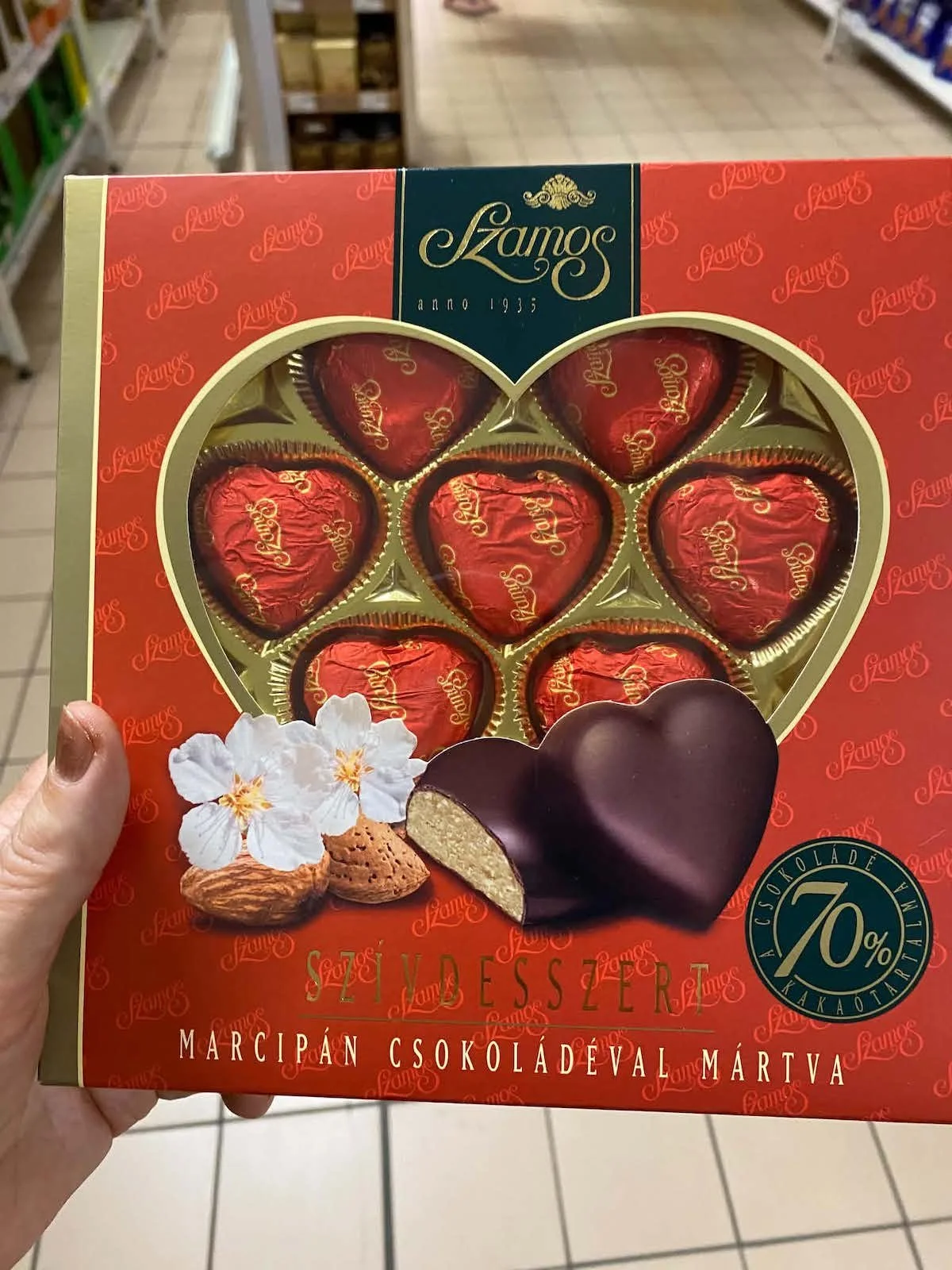
Szamos is Hungary's most famous marzipan house, and it's a completely different product from the marzipan you might know abroad — much less sweet, much more almond-forward, and shaped into everything from tiny fruit sculptures to full marzipan cakes. I like to buy the small boxed chocolates for gifts because they travel well and don't need refrigeration for a few days. If you want the full experience, the Szamos Marzipan Museum at the Parlament is worth a stop even if you're not buying anything — the sculptures alone are worth the visit.
2. Pilóta Biscuits (Pilóta Keksz)
These are a Hungarian childhood staple — two crisp biscuits sandwiched around a layer of chocolate cream. They're inexpensive, sold in every supermarket, and honestly one of my favorite "hidden gem" souvenirs because tourists almost never know to look for them.
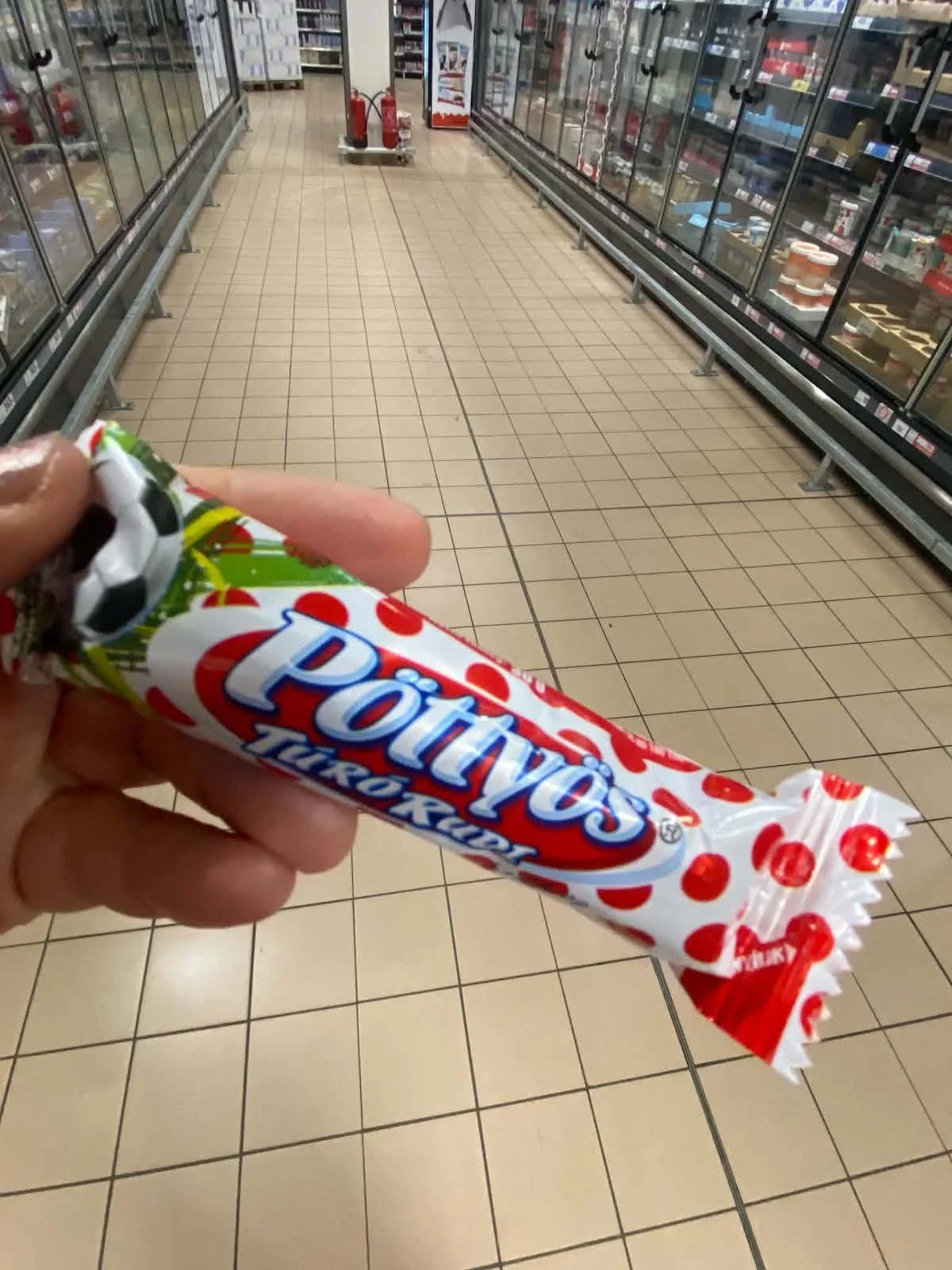
3. Túró Rudi
A chocolate-covered bar of sweetened curd cheese (túró), Túró Rudi is another one of those foods every Hungarian kid grew up on. You'll find dozens of flavors in any grocery store — it needs refrigeration, so it's more of an "eat it while you're here" treat than a take-home souvenir, but I always recommend visitors try at least one.
4. Mézeskalács (Hungarian Gingerbread)
Decorated, heart-shaped gingerbread cookies are a fixture at Christmas markets and folk fairs, often iced with intricate patterns or messages. They're more decorative than delicious (they're baked hard, meant for keeping rather than eating), which actually makes them a great souvenir — they'll survive the trip home in one piece.
5. Sport Szelet
Sport Szelet is a classic Hungarian chocolate bar — a rum-flavored chocolate-covered wafer that's been a staple of Hungarian candy aisles for decades. It's cheap, sold in every supermarket, and one of those nostalgic everyday treats that doesn't get marketed to tourists at all, which makes it a fun "insider" grab.
6. Balaton Szelet (Balaton Wafer Bar)
Balaton is another beloved Hungarian chocolate bar — layers of crisp wafer and vanilla cream filling, coated in chocolate, named after the lake. It sits right alongside Sport Szelet as one of the everyday candy bars Hungarians grew up on, and like Sport Szelet, it's cheap, easy to pack, and completely off most tourists' radar.
7. Negro
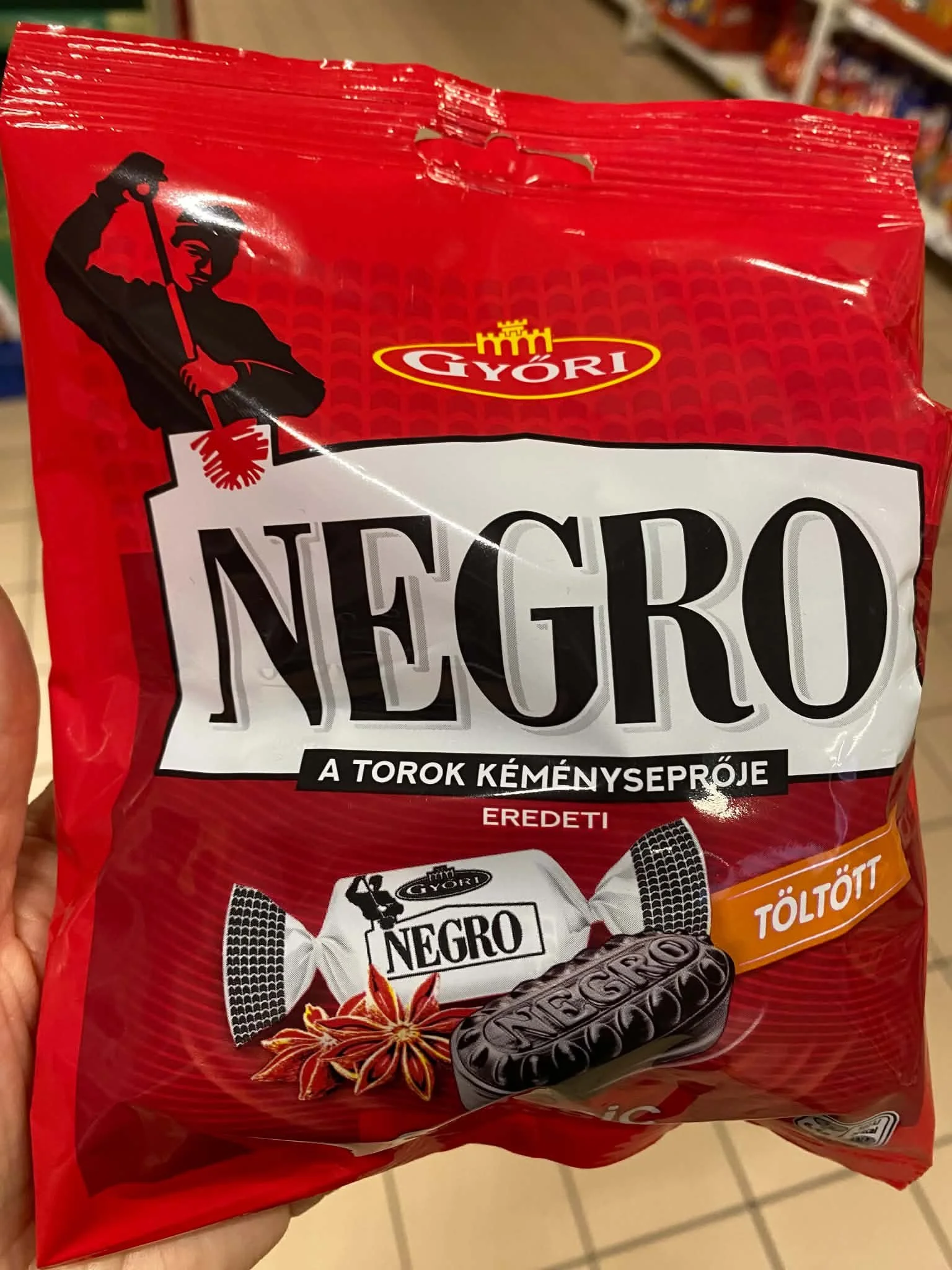
Negro is a black licorice-and-menthol candy that's been a Hungarian staple since the 1930s, sold in its recognizable black-and-white wrapper in every pharmacy and supermarket. Worth knowing upfront: the name is a leftover from an older era of branding and reads very differently in English than it does here — it hasn't been updated, and it's simply the product's long-standing name, not a reflection of anything about the candy itself.
How we use it: As a throat-soothing lozenge, especially in winter, or just as an old-school licorice candy.
Health & Wellness Products
8. Vivam Sea Buckthorn Juice
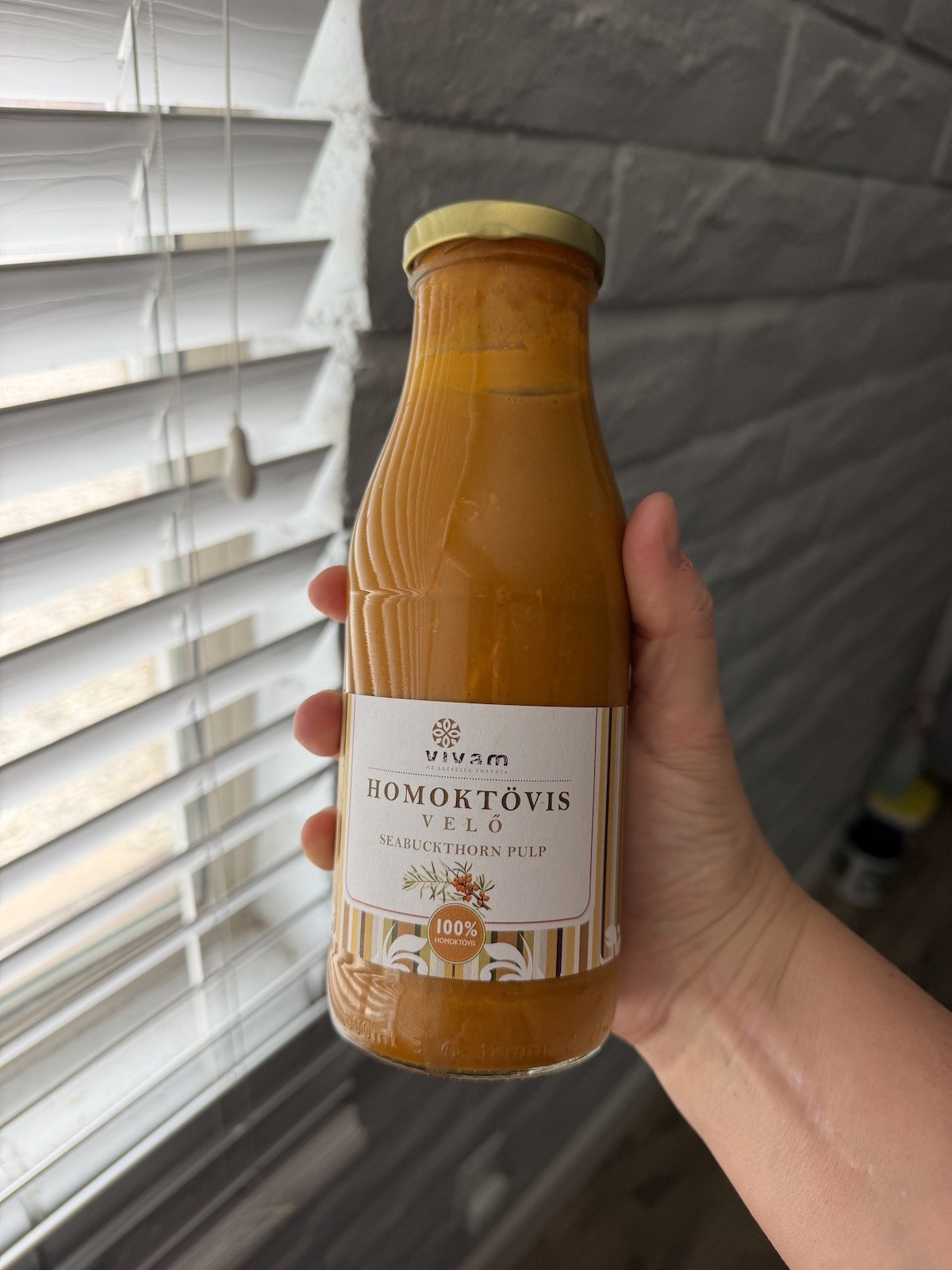
Vivam is a Hungarian brand built around sea buckthorn (homoktövis), a small orange berry packed with vitamin C — Hungary actually grows some of the best sea buckthorn in Europe thanks to its sandy soil. The straight juice is intensely tart, so most people mix it with water or another juice.
How we use it: A shot glass of it in the morning, mixed with warm water or fresh apple juice, especially during cold and flu season.
9. Hungarian Wine Vinegar
Made from the same grapes as our better-known wines, Hungarian wine vinegars — including some labeled from the Tokaj or Eger regions — are a favorite among visiting cooks and rarely found on souvenir shelves.
How we use it: In salad dressings, or splashed into a pot of lecsó for a bit of brightness.
10. GAL Vitamins
GAL is a well-regarded Hungarian supplement brand, popular for its natural vitamin C (often rosehip-based) and immune-support products. They're a favorite pickup for visitors who've heard about Hungary's reputation for good-quality, reasonably priced natural supplements — you'll find them in pharmacies (patika) and health food stores (bio bolt) around the city.
11. Pumpkin Seed Oil
Dark green, nutty, and deeply flavorful, Hungarian pumpkin seed oil (mostly from the Styria-bordering region near the Austrian border) is one of my favorite things to cook with. It's a finishing oil, not a frying oil — the flavor breaks down with high heat.
How we use it: Drizzled over soups (especially pumpkin or squash soup), salads, or vanilla ice cream — that last combination sounds strange but is a genuine Hungarian dessert pairing.
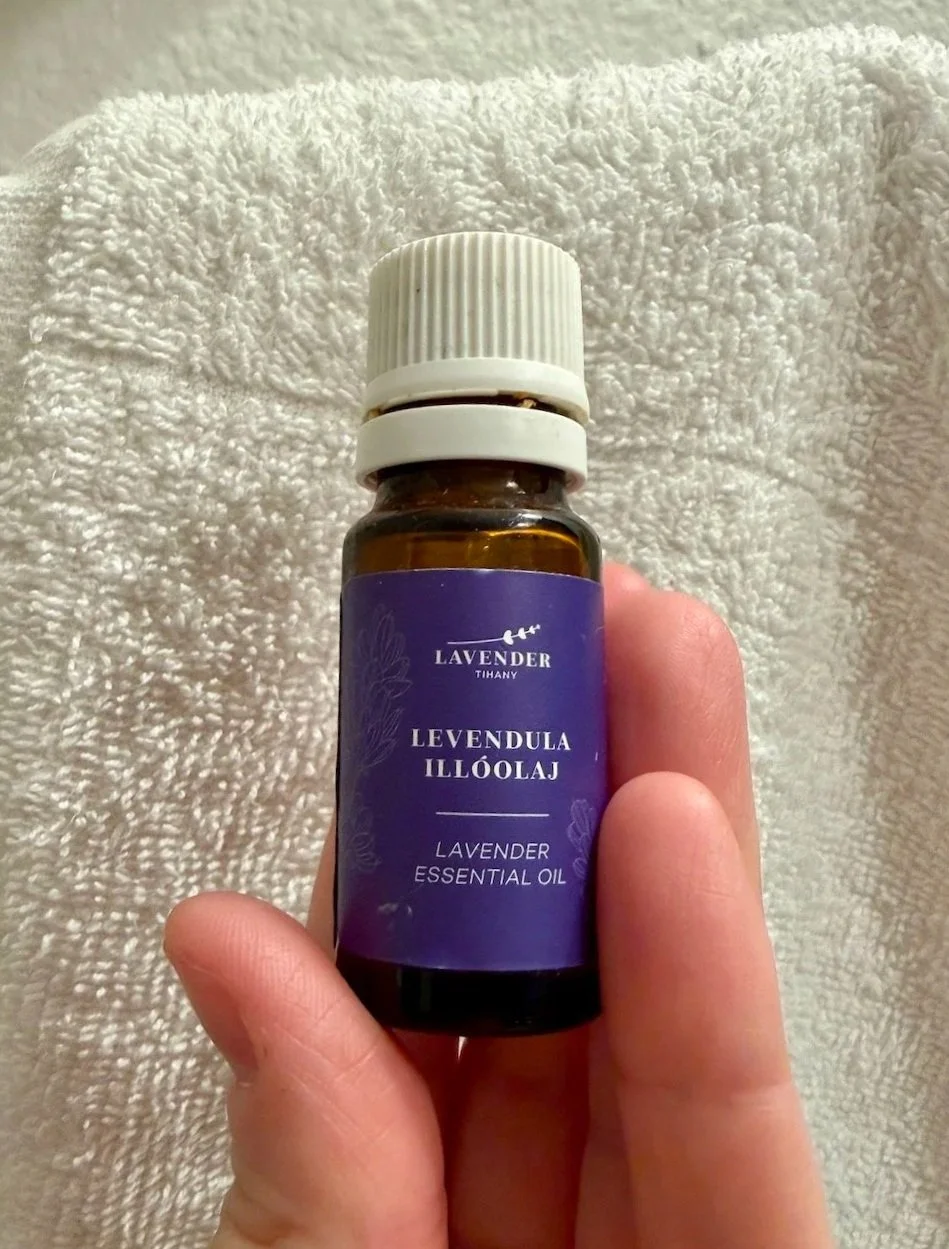
12. Lavender Products from Tihany
The Tihany Peninsula on Lake Balaton has been growing lavender since the 1920s, and the local lavender festival every July is one of my favorite day-trip recommendations. Look for lavender oil, sachets, soaps, and honey from the Tihany Lavender House — they're sold in shops around the peninsula and increasingly in Budapest as well.
How we use it: Lavender sachets in drawers and suitcases, and the oil for a few drops on a pillow before bed.
13. Györgytea
Györgytea is one of Hungary's most recognizable herbal tea brands, with dozens of blends most tourists never notice tucked away in pharmacies and health food stores rather than souvenir aisles. Hungary has a genuinely strong herbalist tradition, and these blends are an easy, low-cost gift that isn't food (so no customs worries at all).
Meats & Cured Products
A quick note before this section: meat products are restricted or banned entering many countries outside the EU, including the UK, US, Canada, and Australia. If you're flying home outside the Schengen Area, check your own country's customs regulations before you pack any of these — some allow sealed, commercially packaged meat, others don't allow any meat at all. Within the EU, this generally isn't an issue.
14. Csabai Kolbász
A paprika-spiced dry sausage from Békéscsaba, spicier and coarser than szalámi. It's a real regional specialty rather than a mass-market souvenir, and a good savory counterpart if you're already bringing home a sweet or spice-based gift. As with any cured meat, check your own country's import regulations before packing it.
How we use it: Sliced thick and grilled, or added to a pot of bean soup (bableves) for smoky depth.
15. Pick Téliszalámi (Winter Salami)
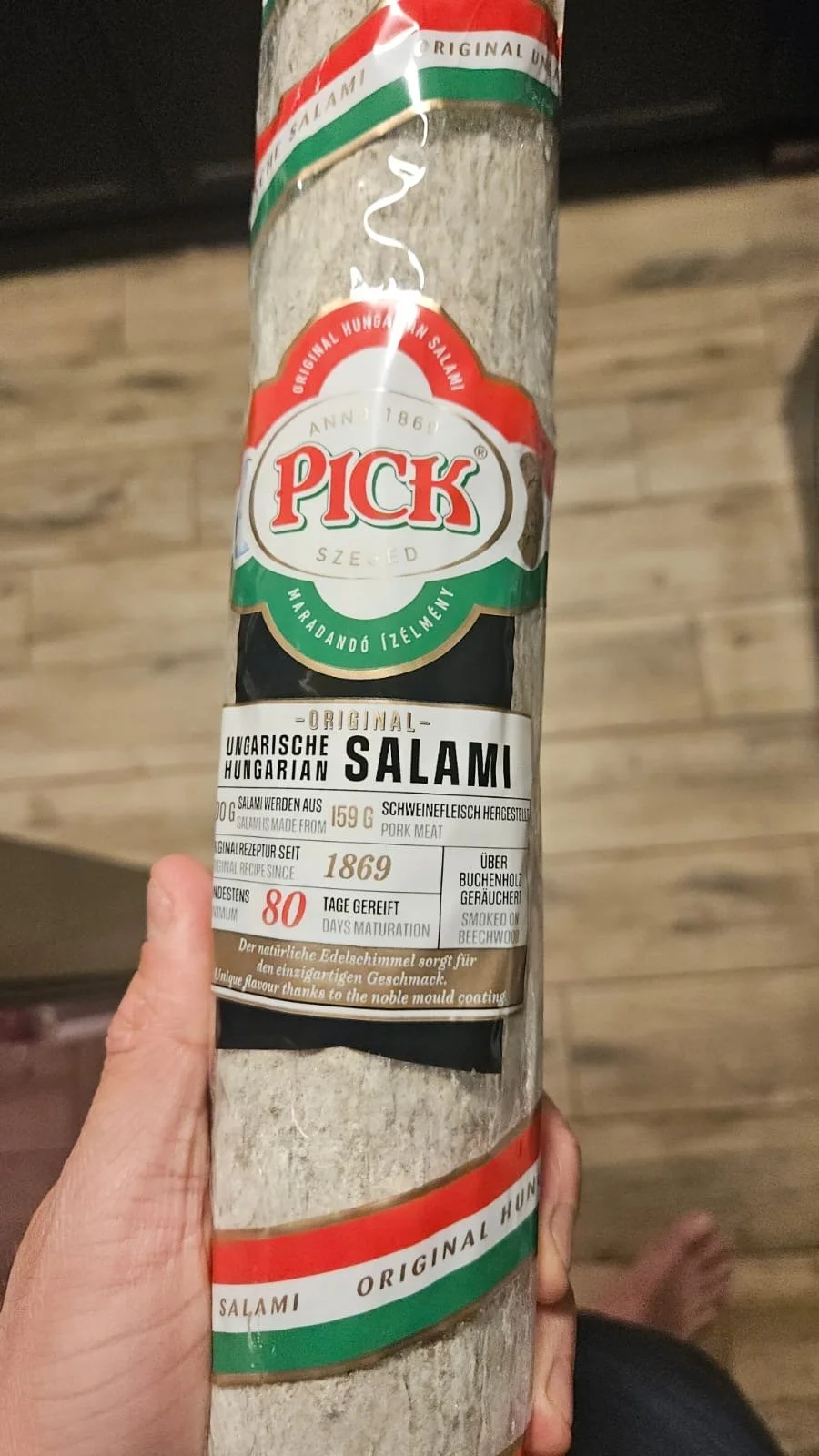
If you only bring home one cured meat from Hungary, make it this one. Téliszalámi is Hungary's most iconic salami — a slow, cold-air-cured pork sausage coated in that distinctive white mold rind, aged for months until it develops a deep, nutty, slightly tangy flavor. Pick brand (Szeged) is the name most Hungarians grew up with and still swear by, though Herz is another respected producer. It's sold at the Market Hall, most grocery stores, and specialty delis — genuinely easy to find, unlike some of the rarer items on this list. Just keep the same meat-import caveat in mind if you're heading outside the EU.
How we use it: Thin-sliced and served simply — with fresh bread, butter, and pickles, or as part of a cold cut board alongside cheese and paprika.
Drinks Worth Packing
16. Raspberry Syrup (Málnaszörp)
Hungarian fruit syrups — raspberry above all — are a household staple for making szörp, a diluted fruit drink that's the Hungarian answer to lemonade. A bottle of good málnaszörp is cheap, doesn't need refrigeration until opened, and instantly turns tap water into something worth drinking.
How we use it: A splash in a glass of sparkling water — it's what we hand kids (and, honestly, adults) on a hot day instead of soda.
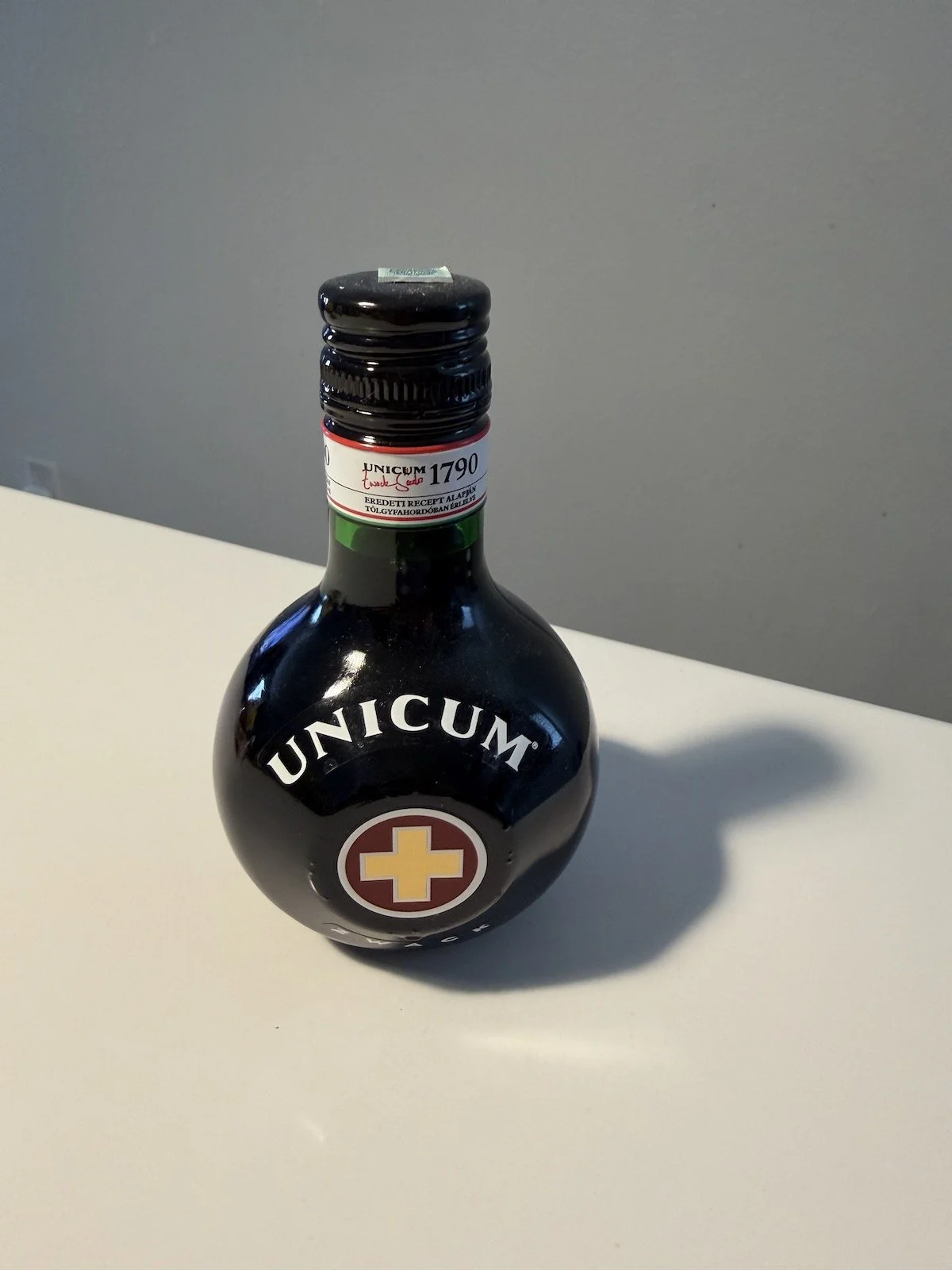
17. Zwack Unicum
This bitter herbal liqueur in its distinctive round bottle has been a Hungarian institution since 1790. It's an acquired taste — genuinely bitter, closer to a digestif than a sipping liqueur — but it's such a piece of Hungarian identity that I think it's worth bringing home even just as a conversation piece.
How we use it: A small shot after a heavy meal, meant to help digestion.
18. Egri Csillag Wine
Egri Csillag ("Star of Eger") is the white counterpart to Eger's famous red blends — a fresh, food-friendly white wine blend created from aromatic grape varieties grown in the same volcanic hills. It's much less known abroad than Hungary's dessert wines, which makes it a great pick if you want to bring home something distinctly Hungarian that isn't sweet.
How we use it: Chilled, alongside fish, poultry, or a summer lunch on the terrace.
Crafts & Textiles
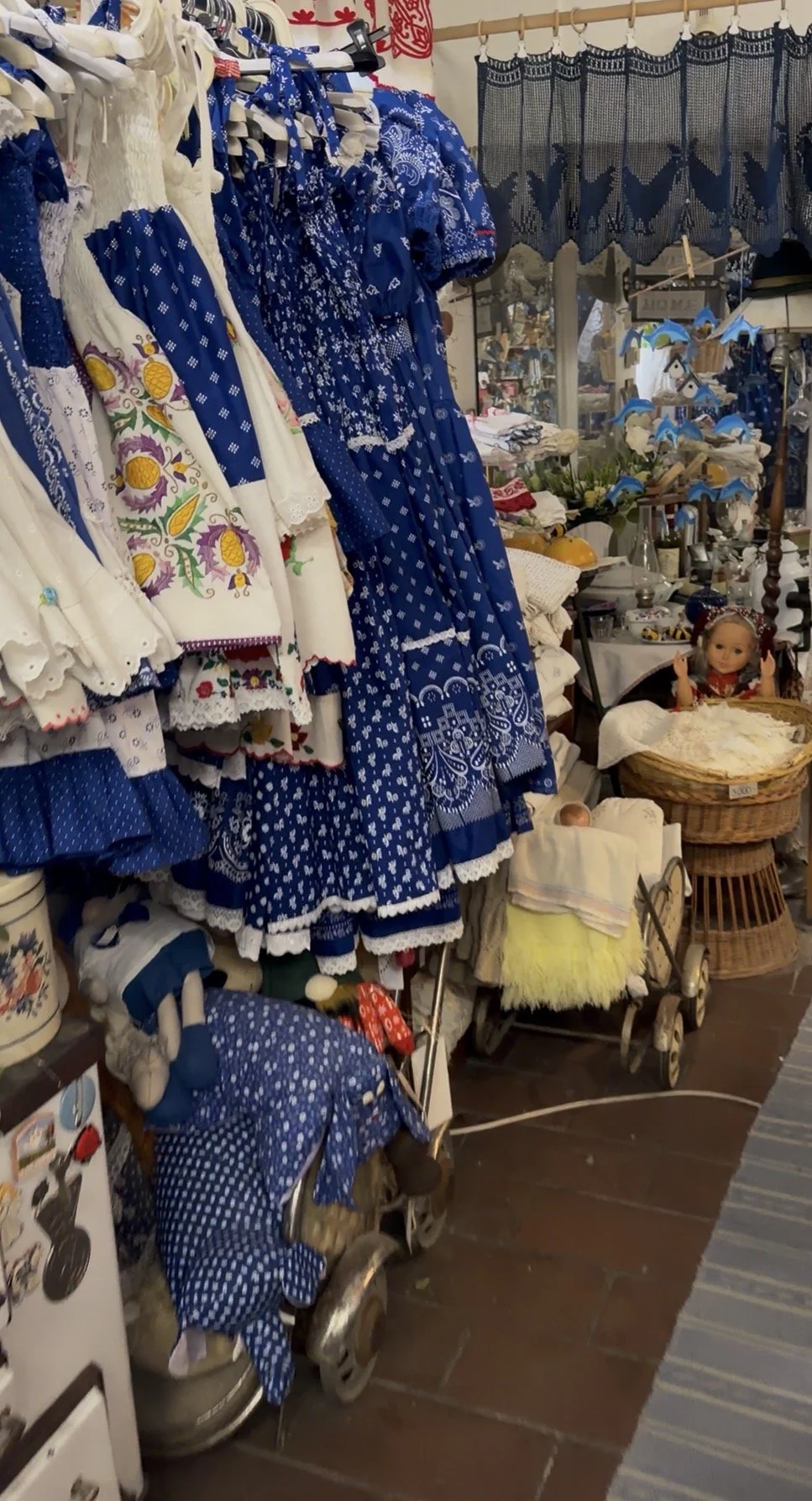
19. Kékfestő (Blue-Dye) Clothing and Textiles
Kékfestő is a traditional indigo-resist dyeing technique that produces deep blue fabric stamped with white folk patterns — tablecloths, aprons, scarves, and clothing. It's a genuine folk craft, still made by a handful of workshops in Hungary using techniques centuries old, and it's on UNESCO's list of intangible cultural heritage. This is one of the few souvenirs on this list you genuinely can't find anywhere else in the world.
How we use it: Tablecloths and runners for special dinners, or a kékfestő apron as a kitchen gift.
20. Szikvíz Siphon Bottles
Old-style Hungarian soda-water siphons — a genuine piece of retro Budapest café culture. You won't find these in souvenir shops; the place to look is a flea market like Ecseri Piac. It's a heavier, more unusual find, but a real conversation piece.
Where to Buy These in Budapest
Most of these are easiest to find at the Great Market Hall (Nagy Vásárcsarnok) near Liberty Bridge, which has stalls for paprika, syrups, wine, and folk textiles all under one roof, alongside supermarkets like Spar or Tesco for the packaged food items (Pilóta biscuits, Túró Rudi, Erős Pista). For health products, look for a patika (pharmacy) or bio bolt (health food store) for GAL vitamins and Vivam juice. For porcelain, embroidery, and kékfestő textiles, I'd point you toward the shops around the Castle District and Váci utca, where quality tends to be more reliable than at open-air stalls.
If you're taking one of my private tours, I'm always happy to build in a stop at the Market Hall or a specific shop for whatever's on your list — it's one of my favorite parts of a custom-built itinerary.
Frequently Asked Questions
What is the most popular souvenir to buy in Hungary? Paprika-based products like Erős Pista are among the most iconic Hungarian souvenirs, but for something more unusual, Szamos marzipan and kékfestő textiles are two of the most distinctly Hungarian items you can bring home.
What Hungarian food products can I bring through customs? Sealed, shelf-stable products like paprika paste, syrups, honey, and packaged biscuits are generally fine in checked luggage. Fresh, liquid, or perishable items (like Túró Rudi) don't travel well and are best enjoyed while you're here. Meat products like szalámi and kolbász are a separate case — many countries outside the EU restrict or ban bringing meat in, so check your own country's customs rules before you pack any.
Where is the best place to buy Hungarian souvenirs in Budapest? The Great Market Hall near Liberty Bridge is the most convenient one-stop option, though I always recommend supplementing it with a regular supermarket for everyday products and the Castle District or Váci utca for porcelain and textiles.
What's the difference between Zsolnay and Herend porcelain? Zsolnay is known for its iridescent eosin glaze and its ties to Pécs and Budapest's decorative architecture, while Herend is known for intricate hand-painted patterns and a history tied to European royal courts. Both are considered top-tier Hungarian porcelain, just with very different looks.
Can I bring Hungarian salami or sausage home with me? It depends entirely on your destination. Within the EU, this generally isn't an issue. Flying outside the EU — to the US, Canada, Australia, and many other countries — meat products are commonly restricted or banned entirely, so check your own country's customs regulations before packing any cured meats.
Did I miss your favorite?
Feel free to drop your favorite in the comments! — I'd love to know what else should make the cut. 🙂
Enjoyed this one? A few more from the blog you'll probably want to read next:
Budapest food tour: eat way through the city like a local
Is tap water safe to drink in Budapest
What Hungarians eat for lunch - the most important meal of the day
